
Contents
- 🎵 Origins & History
- ⚙️ How It Works
- 📊 Key Facts & Numbers
- 👥 Key People & Organizations
- 🌍 Cultural Impact & Influence
- ⚡ Current State & Latest Developments
- 🤔 Controversies & Debates
- 🔮 Future Outlook & Predictions
- 💡 Practical Applications
- 📚 Related Topics & Deeper Reading
- Frequently Asked Questions
- References
- Related Topics
Overview
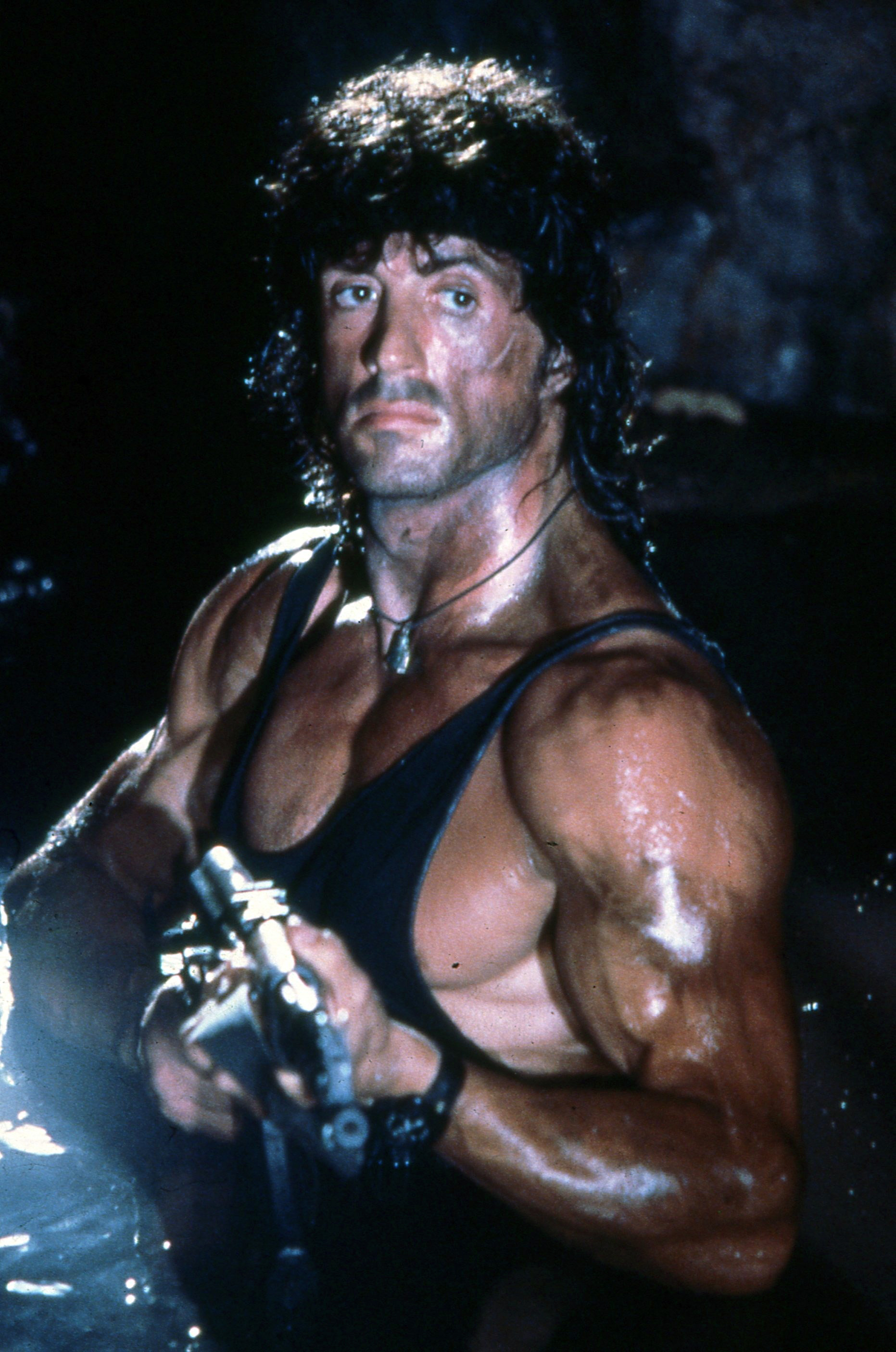
The lineage of the action film can be traced back to the earliest days of cinema, with silent films featuring daring stunts and chase sequences in genres like the Western and the adventure serial. Early pioneers like Douglas Fairbanks in films such as The Mark of Zorro (1920) established a template for heroic protagonists performing incredible physical feats. However, the genre as we recognize it today truly coalesced during the New Hollywood period of the late 1960s and 1970s. Films like Bullitt (1968) with its iconic car chase, and the gritty anti-hero narratives of films like Dirty Harry (1971), began to shape the modern action hero. This era saw a deliberate shift towards more visceral, often violent, storytelling, influenced by the Vietnam War and a growing cynicism in society. The 1980s then ushered in the 'classical period' of action cinema, characterized by larger-than-life stars like Arnold Schwarzenegger and Sylvester Stallone in blockbusters such as The Terminator (1984) and Rambo: First Blood Part II (1985), solidifying the genre's global appeal and commercial dominance.
⚙️ How It Works
At its core, the action film thrives on kinetic energy and escalating stakes, prioritizing spectacle and physical conflict to drive the narrative. The 'how' involves a complex interplay of directing, choreography, cinematography, and editing designed to maximize tension and excitement. Fight scenes, whether hand-to-hand combat or large-scale battles, are meticulously planned and rehearsed, often drawing from martial arts disciplines like Kung Fu or Krav Maga. Chase sequences, from car pursuits to foot chases through crowded urban environments, rely on precise stunt coordination and dynamic camera work to convey speed and danger. Explosions and special effects, whether practical or CGI, are employed to create moments of overwhelming destruction and visual impact. The pacing is typically rapid, with narrative exposition often serving as a brief pause between escalating action set pieces, ensuring the audience remains on the edge of their seat.
📊 Key Facts & Numbers
The global action film market is a multi-billion dollar industry, with top-tier blockbusters often grossing over $1 billion worldwide. For instance, Marvel Cinematic Universe films, which heavily feature action elements, have collectively earned over $30 billion at the box office, with Avengers: Endgame (2019) alone surpassing $2.79 billion. The production budgets for major action films frequently exceed $200 million, with some, like Avatar: The Way of Water (2022), reportedly costing upwards of $350 million to produce. Stunt performers, a crucial element of the genre, often risk serious injury; it's estimated that thousands of stunts are performed annually across major film productions. The visual effects industry supporting these films generates billions in revenue, with companies like Industrial Light & Magic playing a pivotal role in creating fantastical sequences that would be impossible otherwise.
👥 Key People & Organizations
Key figures have profoundly shaped the action film genre. Directors like John McTiernan (Die Hard, 1988), James Cameron (Aliens, 1986), and Christopher Nolan (The Dark Knight, 2008) are celebrated for their innovative approaches to action filmmaking. Stars such as Bruce Lee, Sylvester Stallone, Arnold Schwarzenegger, Bruce Willis, and Keanu Reeves became synonymous with the genre, embodying the archetypal action hero. More recently, actors like Dwayne Johnson and Tom Hardy have carried the torch. Production companies like Warner Bros., Universal Pictures, and Paramount Pictures have consistently produced and distributed major action franchises. The influence of martial arts stars like Jackie Chan also cannot be overstated, bringing a unique blend of comedy and breathtaking stunts to the global stage.
🌍 Cultural Impact & Influence
Action films have permeated global culture, influencing fashion, language, and even political discourse. The archetypal action hero, often a lone wolf battling overwhelming odds, has become a potent cultural symbol of resilience and defiance, resonating across diverse societies. Phrases and iconic moments from action films, such as John McClane's "Yippee-ki-yay" from Die Hard or the T-800's stoic pronouncements in The Terminator, have entered the popular lexicon. The genre's visual language, particularly its dynamic editing and stunt work, has influenced other media, including video games like Grand Theft Auto and Call of Duty, and even live entertainment. Furthermore, the global success of franchises like the Fast & Furious series demonstrates the genre's power to transcend cultural barriers and create shared global experiences.
⚡ Current State & Latest Developments
The action film genre in 2024 and 2025 continues its trajectory of high-stakes spectacle, increasingly driven by advanced visual effects and globalized storytelling. The dominance of superhero franchises, such as those from Marvel Studios and DC Films, remains a significant trend, blending fantastical action with character-driven narratives. Simultaneously, there's a resurgence of interest in practical effects and grounded action, exemplified by films like John Wick: Chapter 4 (2023) and the continued success of the Mission: Impossible series. Streaming platforms like Netflix and Amazon Prime Video are investing heavily in original action content, often with international casts and settings, aiming to capture a global audience. The integration of immersive technologies and interactive storytelling elements is also being explored, hinting at future evolutions of the genre.
🤔 Controversies & Debates
The genre is not without its controversies. Critics often debate the artistic merit of action films, with some arguing that the emphasis on spectacle can overshadow nuanced storytelling and character development, a point raised by scholars like David Bordwell in his analyses of film style. The glorification of violence is another persistent concern, with discussions around the desensitizing effects of on-screen mayhem and its potential impact on audiences, particularly younger viewers. The often-limited and stereotypical portrayal of female characters and minority groups in older action films has also drawn significant criticism, leading to a push for more diverse and complex representation in contemporary productions. Furthermore, the immense budgets and marketing campaigns associated with major action blockbusters can overshadow smaller, more independent films, raising questions about industry economics and artistic diversity.
🔮 Future Outlook & Predictions
The future of action films appears poised for further technological integration and thematic diversification. The increasing sophistication of AI in filmmaking could revolutionize stunt work, visual effects, and even script generation, potentially leading to hyper-personalized action sequences. Virtual production techniques, pioneered in films like The Mandalorian, will likely become more commonplace, allowing for greater creative control and efficiency in realizing ambitious action set pieces. We can anticipate a continued blend of genres, with action elements becoming even more deeply embedded in sci-fi, fantasy, and even dramatic narratives. The global nature of the audience will likely drive more international co-productions and stories set in diverse locales, reflecting a broader range of cultural influences and perspectives. The challenge will be to balance these technological advancements and global ambitions with compelling, character-focused storytelling that resonates emotionally.
💡 Practical Applications
Action films have numerous practical applications beyond pure entertainment. The development of advanced stunt techniques and safety protocols has had a ripple effect in fields like occupational safety training, particularly for professions involving high-risk environments. The visual effects and motion capture technologies honed for action cinema are now integral to virtual reality development, augmented reality applications, and even medical simulations. The narrative structures and pacing of action films have also influenced the design of video games, particularly in genres that emphasize player agency and immediate feedback. Furthermore, the genre's ability to create compelling, larger-than-life heroes can be harnessed in public relations campaigns and motivational content, leveraging the visceral appeal of action to convey messages of strength, determination, and overcoming adversity.
Key Facts
- Year
- c. 1910s (early forms), c. 1970s (modern definition)
- Origin
- United States
- Category
- culture
- Type
- genre
Frequently Asked Questions
What are the defining characteristics of an action film?
Action films are primarily defined by their focus on physical feats and high-stakes scenarios. Key characteristics include elaborate fight sequences, thrilling chase scenes (car, foot, or otherwise), intense shootouts, large-scale explosions, and impressive stunt work. The narrative typically centers on a protagonist, often a lone hero or a small team, who must overcome significant obstacles and antagonists through courage, skill, and resilience. While storytelling is present, it often serves to propel the audience from one action set piece to the next, prioritizing visceral excitement and kinetic energy.
How has the action film genre evolved over time?
The genre's evolution began with early cinematic stunts in silent films and Westerns. The modern action film truly emerged with New Hollywood in the late 1960s and 1970s, introducing grittier anti-heroes and more realistic violence, influenced by war and crime films. The 1980s saw the rise of the 'classical period' with larger-than-life stars and blockbuster franchises like Rambo and Die Hard. The 1990s and 2000s brought advancements in CGI and practical effects, leading to more elaborate sequences in films like The Matrix and Mission: Impossible. Today, action films are often hybrids, heavily incorporating elements of sci-fi and superhero narratives, with a growing global influence and investment from streaming platforms.
What is the typical budget and box office performance of major action films?
Major action films are among the most expensive productions in Hollywood, with budgets frequently ranging from $150 million to over $300 million. For example, Avatar: The Way of Water (2022) reportedly had a budget exceeding $350 million. Their box office potential is equally immense; successful franchises like the Marvel Cinematic Universe have earned tens of billions globally, with individual films like Avengers: Endgame (2019) grossing nearly $2.8 billion worldwide. This high financial investment underscores the genre's massive commercial appeal and its status as a primary driver of global cinema revenue.
What are some of the most influential action film directors and actors?
Several directors have left an indelible mark on the genre, including James Cameron (Aliens, Terminator 2), John McTiernan (Die Hard, Predator), and Christopher Nolan (The Dark Knight). On the acting front, icons like Arnold Schwarzenegger (The Terminator, Predator), Sylvester Stallone (Rambo, Rocky), Bruce Willis (Die Hard), and Keanu Reeves (John Wick series) have defined the action hero archetype. More contemporary stars like Dwayne Johnson and Tom Hardy continue to lead the charge in modern action blockbusters.
Are action films considered 'high art' or purely commercial entertainment?
This is a central debate within film studies. Some critics and scholars argue that action films, with their emphasis on spectacle over narrative depth, are primarily commercial entertainment with limited artistic merit. Others contend that action films can be sophisticated works of art, utilizing cinematic techniques like editing, cinematography, and choreography to create powerful emotional and thematic experiences, as explored by scholars like Geoff King. The genre's ability to engage audiences on a visceral level and its cultural resonance are often cited as evidence of its artistic value, even if it doesn't fit traditional definitions of 'high art'.
How can I get involved in making action films?
Breaking into action filmmaking requires a multi-faceted approach. Aspiring directors often start by making short films to hone their visual storytelling skills, focusing on dynamic camera work and pacing. Aspiring stunt performers need rigorous physical training in areas like martial arts, gymnastics, and driving, often attending specialized stunt schools. For those interested in visual effects or special effects, formal education in digital arts, computer graphics, or pyrotechnics is crucial. Networking is paramount; attending film festivals, joining industry organizations, and seeking internships on film sets can provide invaluable connections and experience. Understanding the technical aspects of cinematography, editing, and sound design is also essential for any role in action film production.
What are the future trends expected in action cinema?
The future of action films will likely be shaped by continued technological advancements and evolving audience expectations. Expect greater integration of AI in creating complex visual effects and potentially even generating action sequences. Virtual production techniques will become more sophisticated, allowing for more immersive and efficient filming. There will likely be a continued push for greater diversity and representation in protagonists and narratives, reflecting a global audience. Furthermore, the genre may see more experimental approaches, blending action with interactive elements or exploring new forms of storytelling that push beyond traditional cinematic boundaries, while also potentially seeing a counter-trend emphasizing practical effects and grounded realism.