
Contents
Overview
Anti-Submarine Warfare (ASW) is a critical domain of naval conflict focused on detecting, tracking, deterring, and destroying enemy submarines. Its primary objective is to safeguard friendly maritime traffic, protect coastal installations, and neutralize underwater threats that can disrupt sea lanes and project power. ASW operations are a complex interplay of advanced sensor technologies, particularly sonar systems, coupled with a diverse array of weapon platforms including torpedoes and naval mines. The strategic importance of ASW has been underscored throughout modern history, from the U-boat campaigns of World War II to contemporary geopolitical tensions. Effective ASW demands highly trained personnel, sophisticated operational doctrines, and continuous technological innovation to stay ahead of evolving submarine capabilities.
🎵 Origins & History
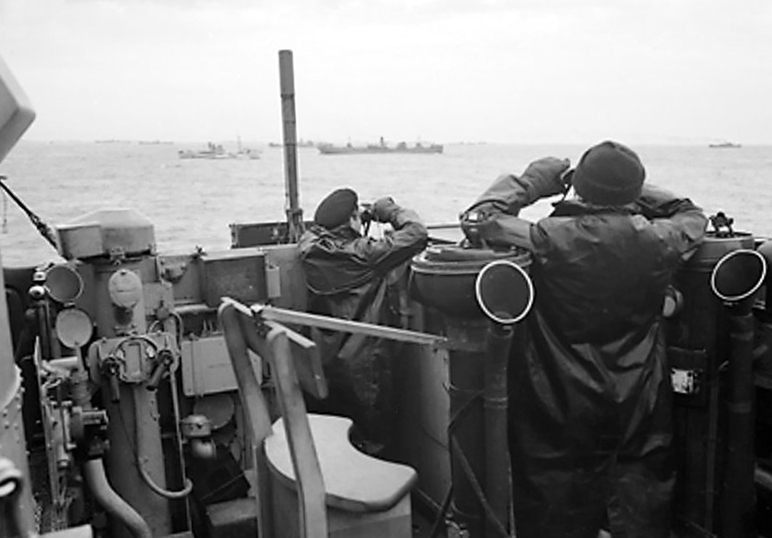
The genesis of Anti-Submarine Warfare (ASW) can be traced back to the dawn of the submarine as a viable naval weapon. Early attempts to counter the nascent threat of submersible vessels emerged during World War I, with the German U-boat campaigns proving particularly devastating to Allied shipping. Innovations such as the Hathaway-type depth charge, improved sonar, airborne patrols using Fairey Swordfish aircraft, and the convoy system, all contributed to gradually turning the tide against the U-boats.
⚙️ How It Works
At its core, ASW is a sophisticated cat-and-mouse game played out in the acoustic realm. The primary challenge is detecting submarines, which are designed for stealth, often operating at depths where visual detection is impossible and acoustic signatures are minimized. Sonar systems are the linchpin of ASW. Active sonar emits sound pulses and analyzes the returning echoes to determine the presence, range, and bearing of a submerged object. Passive sonar, conversely, listens for sounds emitted by the submarine itself, such as engine noise or propeller cavitation. These acoustic sensors are deployed from various platforms: destroyers and frigates are equipped with hull-mounted and towed sonar arrays; maritime patrol aircraft like the P-3 Orion deploy sonobuoys (air-dropped acoustic sensors); and attack submarines use their own advanced sonar suites. Once detected and tracked, submarines are targeted with weapons like Mark 48 torpedoes, ASROC (Anti-Submarine ROCket) systems, or naval mines. The effectiveness of these systems relies heavily on understanding submarine acoustics, oceanographic conditions, and employing coordinated tactics across multiple platforms.
📊 Key Facts & Numbers
The detection range of advanced sonar systems can extend to tens of nautical miles, depending on water conditions.
👥 Key People & Organizations
Key figures in the development and implementation of ASW are numerous, spanning military strategists, engineers, and naval commanders. Admiral Ernest King, as Commander-in-Chief of the U.S. Fleet during World War II, played a pivotal role in organizing Allied ASW efforts. Admiral Chester Nimitz also oversaw crucial ASW operations in the Pacific. Major organizations driving ASW innovation include national navies such as the United States Navy, the Royal Navy, the Russian Navy, and the People's Liberation Army Navy. Defense contractors like Lockheed Martin, Raytheon Technologies, and Northrop Grumman are primary developers of ASW platforms, sensors, and weapons. Research institutions like the Woods Hole Oceanographic Institution also contribute significantly to understanding the underwater environment crucial for ASW.
🌍 Cultural Impact & Influence
Anti-Submarine Warfare has profoundly shaped naval doctrine, technological development, and even popular culture. The constant threat posed by submarines, particularly during the World Wars and the Cold War, led to the development of specialized naval vessels like destroyers and hunter-killer submarines, designed specifically for ASW operations. The strategic importance of controlling the seas and protecting supply lines has been a recurring theme in military history, with ASW being central to achieving that dominance. Culturally, the silent, unseen threat of submarines has fueled countless novels, films, and video games, such as The Hunt for Red October and Das Boot, often portraying ASW as a tense, high-stakes intellectual and technological duel. This cultural resonance highlights the public's fascination with the hidden dangers and sophisticated technology involved in underwater warfare.
⚡ Current State & Latest Developments
The current landscape of ASW is defined by an escalating arms race and the increasing sophistication of submarine technology, particularly in stealth capabilities and acoustic quieting. Nations are investing heavily in next-generation sonar systems, including advanced AI-driven acoustic analysis, and exploring novel detection methods beyond acoustics, such as magnetic anomaly detection (MAD) and optical sensors.
🤔 Controversies & Debates
The effectiveness and ethics of ASW are subjects of ongoing debate. A central controversy revolves around the inherent difficulty of distinguishing between military submarines and civilian vessels, especially in congested waterways, raising concerns about potential collateral damage. The use of active sonar has also drawn criticism from marine biologists and environmental groups, such as the Natural Resources Defense Council, who argue that intense sound pulses can harm or disorient marine mammals like whales and dolphins. Furthermore, the increasing reliance on autonomous systems in ASW raises questions about accountability and human oversight in lethal engagement decisions. The strategic debate also centers on the balance between offensive submarine capabilities and defensive ASW measures, with some strategists arguing that an overemphasis on ASW could provoke escalation or divert resources from other critical naval functions.
🔮 Future Outlook & Predictions
The future of ASW is poised for significant transformation, driven by advancements in artificial intelligence, quantum sensing, and autonomous systems. AI is expected to revolutionize acoustic analysis, enabling systems to identify submarine signatures with unprecedented accuracy and speed, potent
Key Facts
- Category
- technology
- Type
- topic