
Contents
Overview
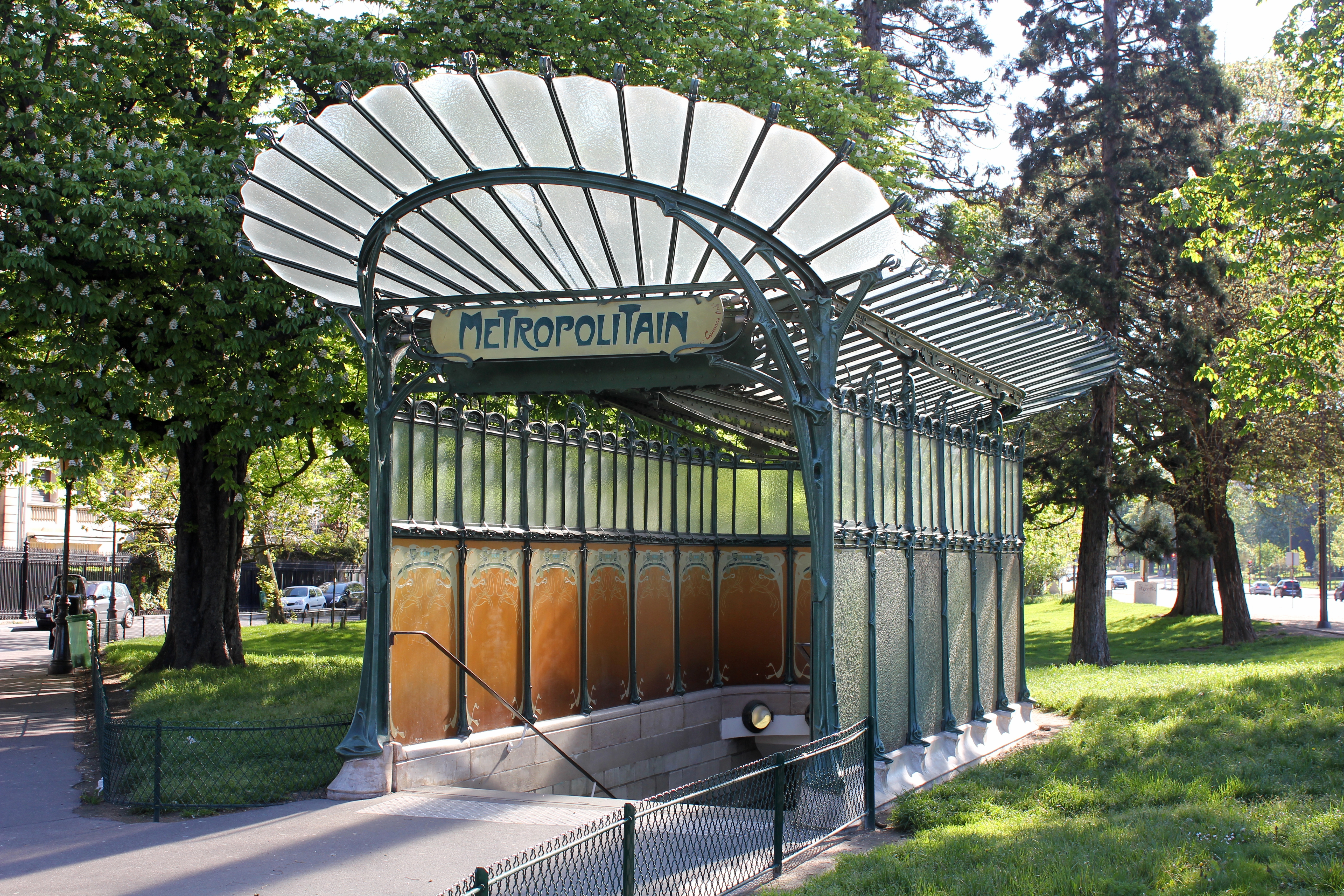
Art Nouveau Paris, flourishing roughly between 1895 and 1914, represented a radical departure from the rigid historicism that had dominated Parisian architecture and design. Characterized by sinuous, organic lines, floral motifs, and a rejection of symmetry, the movement sought to imbue everyday objects and structures with a sense of natural beauty and dynamism. Its most visible manifestations included the iconic Hector Guimard-designed Paris Métro entrances, the opulent interiors of department stores like La Samaritaine, and the exquisite glassware of René Lalique. While the 1900 Paris Exposition served as a grand showcase, the movement's embrace was ultimately brief, overshadowed by the advent of Art Deco and the outbreak of World War I. Despite its short lifespan, Art Nouveau left an indelible, albeit sometimes subtle, mark on the city's visual identity, influencing subsequent generations of designers and architects.
🎵 Origins & History
The genesis of Art Nouveau in Paris can be traced to a growing dissatisfaction with the academic and revivalist styles that had long dictated architectural and decorative arts. Precursors like the Arts and Crafts movement in Britain, championed by William Morris, advocated for craftsmanship and integrated design, while the Japonisme trend, sparked by the opening of Japan to the West, introduced asymmetrical compositions and stylized natural forms. By the mid-1890s, Parisian artists and architects began coalescing around these ideas, seeking a distinctly modern aesthetic. The pivotal 1900 Paris Exposition Universelle provided a global stage, showcasing the movement's burgeoning influence through grand pavilions and innovative designs, solidifying its international reputation before its eventual decline.
⚙️ How It Works
Art Nouveau's aesthetic is defined by its embrace of organic forms and flowing lines, a deliberate move away from the strict geometric and classical precedents. The "whiplash line," a dynamic, undulating curve, became a signature element, appearing in everything from ironwork balconies to the handles of cutlery. Natural motifs, particularly flowers, insects, and flowing hair, were stylized and integrated into structural and decorative elements. This approach extended to materials, with artisans experimenting with new combinations of glass, iron, ceramics, and wood to achieve fluid, sculptural effects. The emphasis was on the Gesamtkunstwerk, or "total work of art," where every component, from the building's facade to its interior furnishings, shared a unified artistic vision.
📊 Key Facts & Numbers
The Art Nouveau period in Paris, roughly 1895-1914, saw an estimated 150 major building projects incorporating its style, with thousands more smaller commissions. The Paris Métro alone boasts 86 entrances designed by Hector Guimard, with 19 still extant. Department stores like La Samaritaine and Le Bon Marché integrated Art Nouveau elements into their expansive structures, attracting millions of shoppers annually. At the 1900 Exposition, over 50 million visitors marveled at Art Nouveau displays, including the Grand Palais and Petit Palais. The glassware of René Lalique saw production numbers in the tens of thousands for popular pieces, while furniture makers like Louis Majorelle produced hundreds of unique, high-end pieces.
👥 Key People & Organizations
Key figures who shaped Art Nouveau in Paris include architect Hector Guimard, whose distinctive Métro entrances are enduring symbols of the style. René Lalique revolutionized glassware and jewelry design with his intricate, nature-inspired creations. Alphonse Mucha, though Czech, became synonymous with Parisian Art Nouveau through his iconic posters for actresses like Sarah Bernhardt. Furniture designers like Louis Majorelle and Victor Horta (though primarily Belgian, his influence was felt) created exquisite, flowing pieces. The Art Nouveau Gallery at the Musée d'Orsay and the Musée Bouilhet-Christofle house significant collections, preserving the legacy of these artists and their patrons.
🌍 Cultural Impact & Influence
Art Nouveau Paris profoundly influenced not only the city's visual landscape but also the broader trajectory of modern design. Its emphasis on integrating art into everyday life challenged the traditional separation between fine art and applied arts, paving the way for movements like Art Deco and Bauhaus. The movement's embrace of new materials and industrial techniques, while still valuing craftsmanship, foreshadowed later design philosophies. Its distinctive aesthetic permeated graphic design, fashion, and even literature, creating a pervasive "vibe" of organic modernity that captivated the Belle Époque. The enduring appeal of its iconic pieces continues to inspire contemporary designers and collectors worldwide.
⚡ Current State & Latest Developments
While the peak of Art Nouveau in Paris concluded with World War I, its legacy persists. Many of its architectural gems, particularly Hector Guimard's Métro entrances, have been preserved and are recognized as historical monuments. Museums like the Musée d'Orsay and the Musée Bouilhet-Christofle continue to exhibit and conserve Art Nouveau artifacts. Contemporary Parisian design often references its organic forms and artisanal spirit, albeit in more subdued ways. The ongoing fascination with the Belle Époque ensures continued interest in Art Nouveau, with ongoing restoration projects and exhibitions keeping its spirit alive in the city.
🤔 Controversies & Debates
The primary controversy surrounding Art Nouveau Paris centers on its perceived ephemerality and its eventual supersession by Art Deco. Critics sometimes dismiss it as overly ornate or sentimental, a fleeting trend that lacked the structural rigor of later modernist movements. Some historians debate the extent to which it was a truly Parisian invention versus an international style adapted by Parisian artists, with significant contributions from Belgium, Austria, and elsewhere. The high cost of many Art Nouveau commissions also led to debates about its accessibility and its association with the wealthy elite of the Belle Époque, rather than a broad societal shift.
🔮 Future Outlook & Predictions
The future of Art Nouveau in Paris lies in its continued preservation and reinterpretation. As urban development pressures mount, the protection of its architectural heritage remains a critical concern. Future exhibitions and scholarly research will likely continue to uncover new facets of the movement and its key figures, potentially re-evaluating its influence. While a full-scale revival is unlikely, the core principles of integrating nature, craftsmanship, and artistic vision into functional objects and spaces will undoubtedly continue to resonate, influencing sustainable design and biophilic architecture movements. The enduring allure of its aesthetic suggests it will remain a touchstone for designers seeking to imbue their work with elegance and organic beauty.
💡 Practical Applications
Art Nouveau's practical applications in Paris were widespread, transforming the urban experience. Hector Guimard's Métro entrances, designed for both aesthetic appeal and functional crowd control, became iconic city landmarks. Department stores like La Samaritaine utilized Art Nouveau's grandeur to create immersive shopping experiences, influencing retail design globally. In domestic interiors, Art Nouveau furniture, lighting, and decorative objects aimed to create harmonious and beautiful living spaces, moving away from purely utilitarian design. The movement's influence extended to graphic arts, with posters and advertisements for cabarets like the Moulin Rouge and products becoming collectible artworks in themselves, demonstrating its pervasive reach into daily Parisian life.
Key Facts
- Category
- aesthetics
- Type
- place