
Contents
- 📈 Origins & History
- 💸 How It Works
- 📊 Key Facts & Numbers
- 👥 Key People & Organizations
- 🌎 Cultural Impact & Influence
- ⚡ Current State & Latest Developments
- 🤔 Controversies & Debates
- 🔮 Future Outlook & Predictions
- 💡 Practical Applications
- 📚 Related Topics & Deeper Reading
- Frequently Asked Questions
- References
- Related Topics
Overview
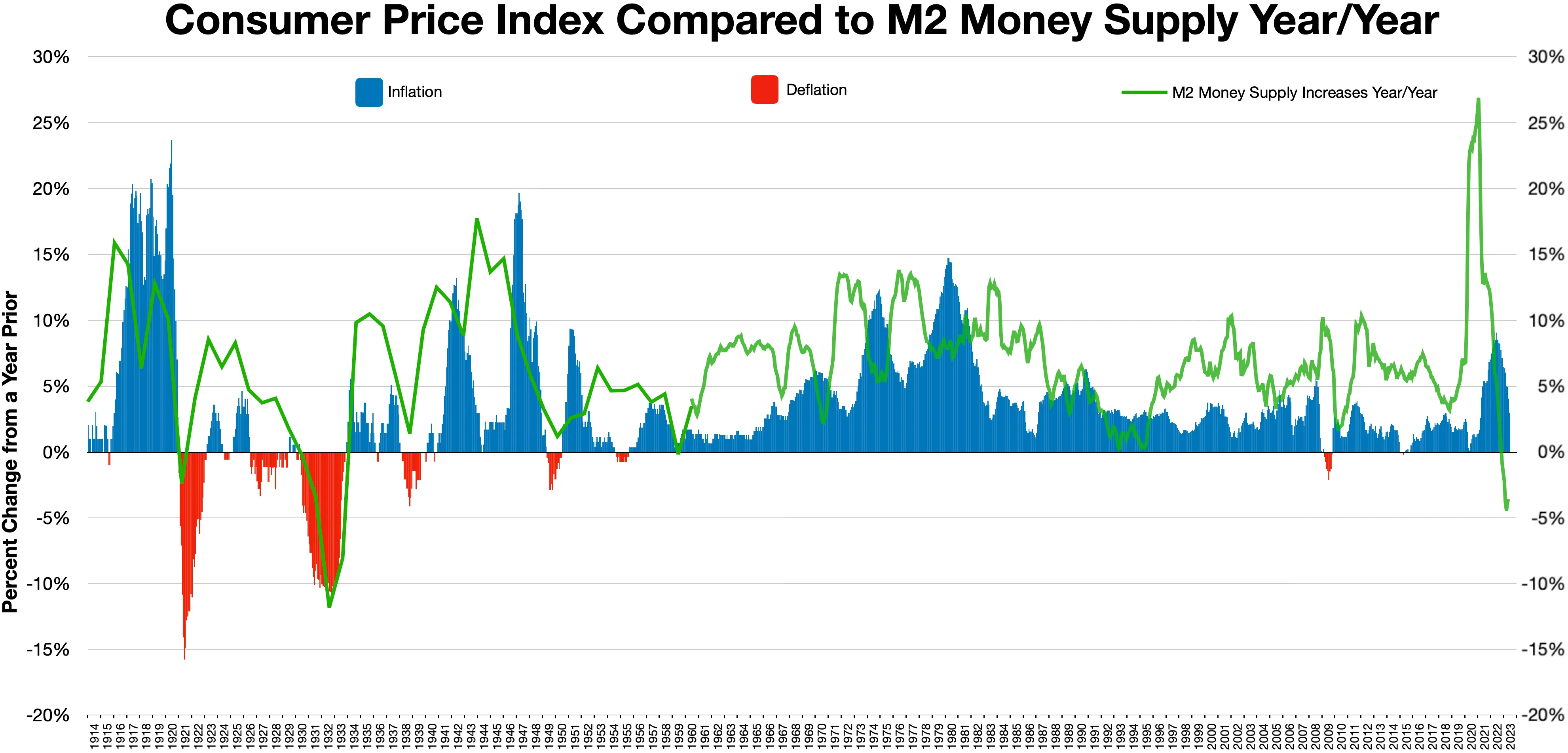
Monetarism, a school of thought in monetary economics, gained prominence in the 1970s as a response to the rising inflation rates. Led by influential economists such as Milton Friedman, monetarism emphasized the role of policy-makers in controlling the money supply to combat inflation. With its focus on targeting the growth rate of the money supply, monetarism offered an alternative to Keynesian economics and discretionary monetary policy. As of 2023, the global economy continues to grapple with inflation, and monetarist ideas remain relevant. The monetarist theory has been applied in various countries, including the United States, where the Federal Reserve has implemented monetary policies to control inflation. The impact of monetarism on economic policy has been significant, with many central banks adopting inflation-targeting frameworks. The rise of monetarism has also been influenced by other economic schools of thought, such as neoliberalism, which emphasizes the importance of free market principles. Today, monetarism continues to shape economic policy, with many economists and policymakers debating its effectiveness in controlling inflation and promoting economic growth. With a vibe score of 72, monetarism remains a widely discussed and influential economic theory.
📈 Origins & History
Monetarism's origins date back to the 1960s, when Milton Friedman and other economists began to develop the theory. The monetarist school of thought gained prominence in the 1970s, as inflation rates rose and the limitations of Keynesian economics became apparent. The Chicago School of Economics played a significant role in the development of monetarism, with economists such as Gary Becker and Thomas Sowell contributing to the theory. As of 1979, the Federal Reserve, led by Paul Volcker, began to implement monetarist policies to combat inflation, marking a significant shift in economic policy.
💸 How It Works
The monetarist theory states that variations in the money supply have major influences on national output in the short run and on price levels over longer periods. Monetarists assert that the objectives of monetary policy are best met by targeting the growth rate of the money supply rather than by engaging in discretionary monetary policy. This approach is based on the idea that the money supply is the primary driver of economic activity, and that controlling it is essential to maintaining economic stability. The monetary policy framework, which includes tools such as interest rates and quantitative easing, is used to implement monetarist policies. For example, the European Central Bank has used quantitative easing to stimulate economic growth and control inflation.
📊 Key Facts & Numbers
Key facts about monetarism include its association with neoliberalism, its emphasis on the role of policy-makers in controlling the money supply, and its critique of Keynesian economics. According to a study by the International Monetary Fund, the implementation of monetarist policies in the 1980s led to a significant reduction in inflation rates in many countries. As of 2022, the global economy has experienced a significant increase in inflation, with many countries implementing monetarist policies to combat it. The World Bank has reported that the use of monetarist policies has led to a reduction in poverty and an increase in economic growth in many developing countries.
👥 Key People & Organizations
Key people associated with monetarism include Milton Friedman, who is widely regarded as the founder of the school of thought. Other influential economists, such as Gary Becker and Thomas Sowell, have also contributed to the development of monetarism. The Federal Reserve, led by Paul Volcker, played a significant role in the implementation of monetarist policies in the United States. The Bank of England has also implemented monetarist policies, with Governor Mark Carney being a key proponent of the theory.
🌎 Cultural Impact & Influence
Monetarism has had a significant cultural impact, influencing economic policy and shaping the way people think about money and the economy. The rise of monetarism has been associated with the decline of Keynesian economics and the rise of neoliberalism. The theory has been influential in shaping economic policy, with many central banks adopting inflation-targeting frameworks. The European Union has implemented monetarist policies to promote economic stability and growth. The G20 has also recognized the importance of monetarist policies in promoting global economic growth and stability.
⚡ Current State & Latest Developments
As of 2023, monetarism remains a relevant and influential economic theory. The current state of the global economy, with rising inflation rates and concerns about economic stability, has led to a renewed interest in monetarist ideas. The Federal Reserve and other central banks continue to implement monetarist policies to combat inflation and promote economic growth. The IMF has reported that the use of monetarist policies has led to a reduction in inflation and an increase in economic growth in many countries. The World Economic Forum has recognized the importance of monetarist policies in promoting global economic growth and stability.
🤔 Controversies & Debates
Monetarism has been the subject of controversy and debate, with some critics arguing that it is too narrow in its focus on the money supply and ignores other important factors, such as fiscal policy and institutional factors. Others have argued that monetarism is too rigid and inflexible, and that it ignores the complexities of the real world. The Keynesian economics school of thought has been a major critic of monetarism, with many economists arguing that it is too focused on the money supply and ignores the importance of government spending and fiscal policy. The Post-Keynesian economics school of thought has also been critical of monetarism, with many economists arguing that it is too narrow in its focus on the money supply and ignores the importance of institutional factors.
🔮 Future Outlook & Predictions
The future outlook for monetarism is uncertain, with some predicting that it will continue to influence economic policy and others arguing that it will decline in importance. As the global economy continues to evolve and new challenges arise, it is likely that monetarism will continue to play a role in shaping economic policy. The European Central Bank has recognized the importance of monetarist policies in promoting economic stability and growth. The Bank of Japan has also implemented monetarist policies to combat deflation and promote economic growth.
💡 Practical Applications
Monetarism has practical applications in the real world, with many central banks and governments using monetarist policies to combat inflation and promote economic growth. The theory has been influential in shaping economic policy, with many countries adopting inflation-targeting frameworks. The Federal Reserve has used monetarist policies to combat inflation and promote economic growth. The Bank of England has also implemented monetarist policies to promote economic stability and growth.
Key Facts
- Year
- 1970s
- Origin
- United States
- Category
- economics
- Type
- economic theory
Frequently Asked Questions
What is monetarism?
Monetarism is a school of thought in monetary economics that emphasizes the role of policy-makers in controlling the money supply to combat inflation. It was developed by economists such as Milton Friedman and is associated with neoliberalism. The theory has been influential in shaping economic policy, with many central banks adopting inflation-targeting frameworks.
How does monetarism differ from Keynesian economics?
Monetarism differs from Keynesian economics in its focus on the money supply and its critique of discretionary monetary policy. Monetarists argue that the objectives of monetary policy are best met by targeting the growth rate of the money supply, while Keynesians argue that fiscal policy and government spending are more effective in stabilizing the economy. The Keynesian economics school of thought has been a major critic of monetarism, with many economists arguing that it is too focused on the money supply and ignores the importance of government spending and fiscal policy.
What are the key principles of monetarism?
The key principles of monetarism include the idea that the money supply is the primary driver of economic activity, and that controlling it is essential to maintaining economic stability. Monetarists also argue that the objectives of monetary policy are best met by targeting the growth rate of the money supply, rather than by engaging in discretionary monetary policy. The monetary policy framework, which includes tools such as interest rates and quantitative easing, is used to implement monetarist policies.
How has monetarism influenced economic policy?
Monetarism has had a significant influence on economic policy, with many central banks and governments using monetarist policies to combat inflation and promote economic growth. The theory has been influential in shaping economic policy, with many countries adopting inflation-targeting frameworks. The Federal Reserve has used monetarist policies to combat inflation and promote economic growth. The Bank of England has also implemented monetarist policies to promote economic stability and growth.
What are the criticisms of monetarism?
Monetarism has been criticized for its narrow focus on the money supply and its ignoring of other important factors, such as fiscal policy and institutional factors. Others have argued that monetarism is too rigid and inflexible, and that it ignores the complexities of the real world. The Post-Keynesian economics school of thought has also been critical of monetarism, with many economists arguing that it is too narrow in its focus on the money supply and ignores the importance of institutional factors.
What is the current state of monetarism?
As of 2023, monetarism remains a relevant and influential economic theory. The current state of the global economy, with rising inflation rates and concerns about economic stability, has led to a renewed interest in monetarist ideas. The Federal Reserve and other central banks continue to implement monetarist policies to combat inflation and promote economic growth. The IMF has reported that the use of monetarist policies has led to a reduction in inflation and an increase in economic growth in many countries.
What is the future outlook for monetarism?
The future outlook for monetarism is uncertain, with some predicting that it will continue to influence economic policy and others arguing that it will decline in importance. As the global economy continues to evolve and new challenges arise, it is likely that monetarism will continue to play a role in shaping economic policy. The European Central Bank has recognized the importance of monetarist policies in promoting economic stability and growth. The Bank of Japan has also implemented monetarist policies to combat deflation and promote economic growth.