
Contents
- 📍 Location & Access: The Grand Old Station
- ⏰ Hours & Planning Your Visit
- 💰 Pricing & Ticketing: Worth Every Euro
- 🖼️ The Collection: Beyond Monet's Water Lilies
- 🏛️ Architecture & Ambiance: A Masterpiece Itself
- 🍽️ Dining & Amenities: Refuel with a View
- ⭐ What People Say: The Vibe Score
- 💡 Insider Tips for a Smarter Visit
- Frequently Asked Questions
- Related Topics
Overview
The Musée d'Orsay, housed in a former railway station, is a cornerstone of Parisian art culture, showcasing an extensive collection of Impressionist and Post-Impressionist masterpieces. Opened in 1986, it features works by luminaries such as Monet, Van Gogh, and Degas, making it a must-visit for art lovers. The museum's architecture itself is a blend of Beaux-Arts and industrial design, reflecting the transformative era of the late 19th century. With over 3 million visitors annually, it stands as a testament to the enduring allure of Impressionism and its impact on modern art. As the art world evolves, the Musée d'Orsay continues to engage with contemporary dialogues, raising questions about the relevance of historical art in today's society.
📍 Location & Access: The Grand Old Station
The Musée d'Orsay is strategically perched on the Left Bank of the Seine, housed within the magnificent former Gare d'Orsay railway station. This prime location in the 7th arrondissement places it within easy reach of other Parisian landmarks like the Louvre and the Eiffel Tower. Access is straightforward via the Métro (Solférino station, Line 12) or RER C (Musée d'Orsay station). Buses also frequently serve the area, making it a convenient hub for your artistic explorations. The building itself, a Belle Époque marvel, offers a dramatic entrance that sets the stage for the treasures within.
⏰ Hours & Planning Your Visit
The museum typically operates from Tuesday to Sunday, with hours generally running from 9:30 AM to 6:00 PM, and extended hours until 9:45 PM on Thursdays. It's crucial to check the official official website for the most current opening times, as these can vary seasonally or for special events. Plan your visit for a weekday morning to avoid the largest crowds, especially if you're aiming for a more contemplative experience with masterpieces like Renoir's Bal du moulin de la Galette. Consider booking your tickets online in advance to bypass queues, a strategy that significantly enhances the visitor experience.
💰 Pricing & Ticketing: Worth Every Euro
A standard adult ticket for the Musée d'Orsay typically costs around €16, though this can fluctuate. Reductions are available for young adults (18-25) and certain other categories, often bringing the price down to around €12. Entry is free for those under 18 and for EU residents under 26. Special exhibitions may incur an additional fee. Purchasing a Paris Museum Pass can offer excellent value if you plan to visit multiple museums during your stay, as it grants access to the permanent collections of the Orsay and many other Parisian institutions. Always verify current pricing on their official channels.
🖼️ The Collection: Beyond Monet's Water Lilies
While often celebrated for its unparalleled collection of Impressionist and Post-Impressionist works, the Musée d'Orsay offers far more. You'll find masterpieces by Monet, Degas, Renoir, and Van Gogh, of course. But don't overlook the significant holdings of French art from 1848 to 1914, encompassing sculpture, decorative arts, and photography. The museum's collection charts a pivotal period in art history, bridging the gap between the Louvre's classical offerings and the modern art found at the Centre Pompidou.
🏛️ Architecture & Ambiance: A Masterpiece Itself
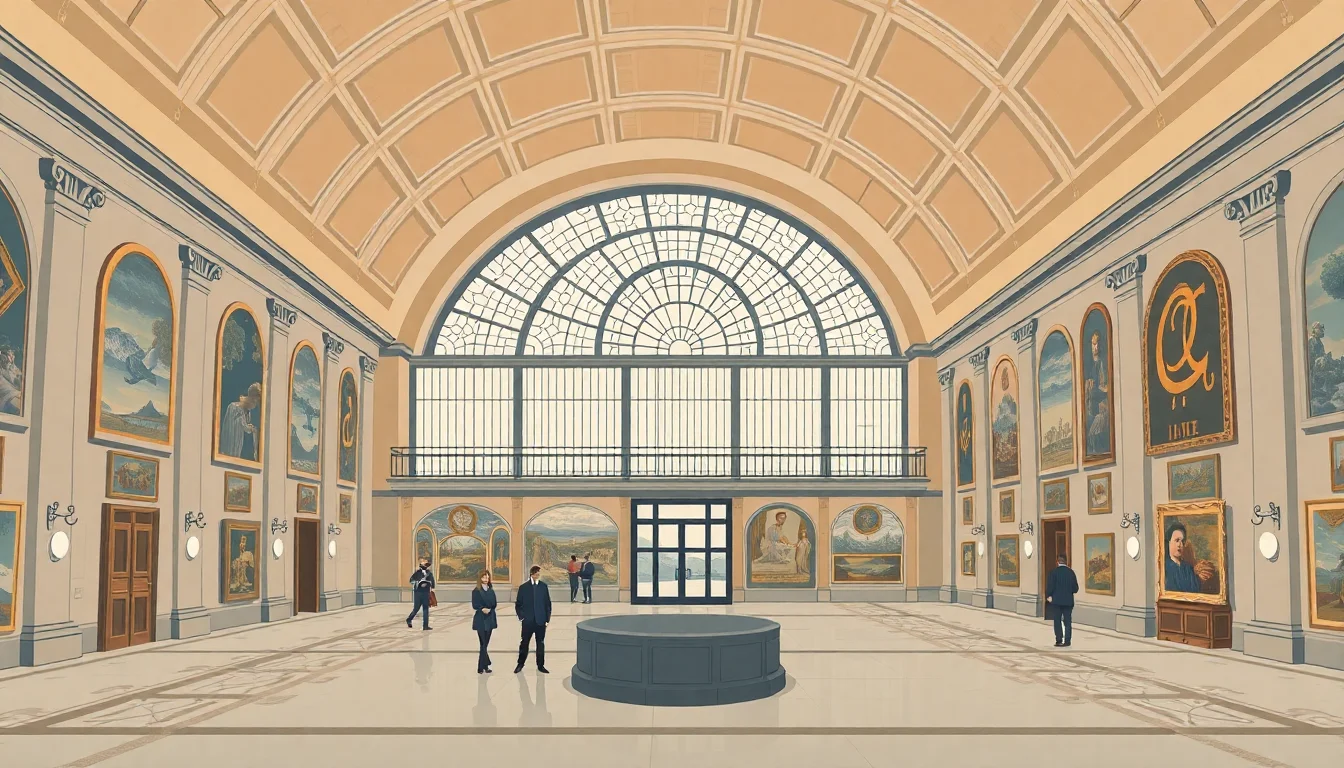
The building itself is as much a work of art as the paintings it houses. Originally constructed as a train station for the Chemin de Fer de Paris à Orléans for the 1900 Exposition Universelle, its Beaux-Arts architecture is stunning. The vast, light-filled nave, with its iconic clock face overlooking the Seine, creates a unique and grand atmosphere. Wandering through the galleries, you're constantly aware of the building's history, a palpable sense of the past that complements the artistic narratives unfolding on the walls. This fusion of industrial heritage and artistic display is a defining characteristic of the Musée d'Orsay.
🍽️ Dining & Amenities: Refuel with a View
The museum offers several dining options, from a casual café to the more elegant restaurant located beneath the station's original grand clock. The restaurant, with its opulent decor and panoramic views of the Seine, provides a memorable dining experience. For a quicker bite, the café offers sandwiches, salads, and pastries. Ample restrooms and cloakroom facilities are available, ensuring a comfortable visit. Wi-Fi is generally accessible, allowing you to share your discoveries in real-time. The museum shop is also well-stocked with art books and souvenirs.
⭐ What People Say: The Vibe Score
The Musée d'Orsay consistently garners high praise, with a typical visitor rating around 4.7 out of 5 stars across major review platforms. Visitors frequently highlight the manageable size of the museum compared to the Louvre, making it less overwhelming. The quality and concentration of Impressionist and Post-Impressionist works are universally lauded. The building's unique architecture and the stunning views from its upper levels also receive significant commendation. The overall 'vibe' is often described as inspiring, accessible, and deeply rewarding for art lovers.
💡 Insider Tips for a Smarter Visit
To maximize your experience, consider visiting on a Thursday evening for the extended hours and fewer crowds, allowing for a more intimate encounter with the art. Utilize the museum map or app to prioritize the works or artists you most want to see; trying to see everything in one go can be exhausting. Don't miss the panoramic view of Paris from the terrace behind the large clock on the top floor – it's a unique perspective. If you're interested in the context of the art, consider downloading an audio guide or joining a guided tour, which often provide deeper insights into the artistic movements of the era.
Key Facts
- Year
- 1986
- Origin
- Paris, France
- Category
- Cultural Institutions
- Type
- Museum
Frequently Asked Questions
What is the best time to visit the Musée d'Orsay?
To avoid the largest crowds, aim for a weekday morning, ideally shortly after opening. Thursday evenings, with extended hours until 9:45 PM, also offer a less crowded and more atmospheric experience. Weekends and Tuesdays (when the Louvre is closed) tend to be the busiest days. Checking the museum's official website for specific crowd forecasts or special events is always a good strategy.
How much time should I allocate for a visit?
A comprehensive visit to the Musée d'Orsay typically requires at least 2-3 hours to appreciate the main Impressionist and Post-Impressionist collections. If you wish to explore the decorative arts, sculpture, and temporary exhibitions in more depth, you could easily spend 4-5 hours. Many visitors find 3 hours to be a good balance for seeing the highlights without feeling rushed.
Is the Musée d'Orsay suitable for children?
Yes, the Musée d'Orsay can be engaging for children, particularly those with an interest in art. The bright colors and familiar subjects in many Impressionist paintings can capture their attention. The building's unique architecture, especially the large clock, is also a point of interest. The museum offers family-friendly guides and activities, and children under 18 generally have free admission, making it an accessible outing.
What are the must-see artworks at the Musée d'Orsay?
Key masterpieces include Claude Monet's 'Impression, Sunrise' (though often on loan, check availability), Edgar Degas' 'The Little Fourteen-Year-Old Dancer,' Vincent van Gogh's 'Starry Night Over the Rhône,' and Pierre-Auguste Renoir's 'Bal du moulin de la Galette.' Édouard Manet's 'Olympia' and Gustave Courbet's 'The Origin of the World' are also significant works that provoke discussion.
Can I take photos inside the Musée d'Orsay?
Photography for personal use is generally permitted in the permanent collections, but without flash. However, specific restrictions may apply to temporary exhibitions or certain artworks. It's always best to look for signage within the galleries or consult the museum's guidelines upon arrival. Tripods and selfie sticks are typically not allowed.
Is the Musée d'Orsay accessible for visitors with disabilities?
The Musée d'Orsay is committed to accessibility. Most areas are accessible to visitors with reduced mobility, including elevators and ramps. Wheelchairs are available for loan. Accessible restrooms are provided. It's advisable to check the museum's official website for detailed information on accessibility services and any specific routes or limitations.