Operation Enduring Freedom | Vibepedia
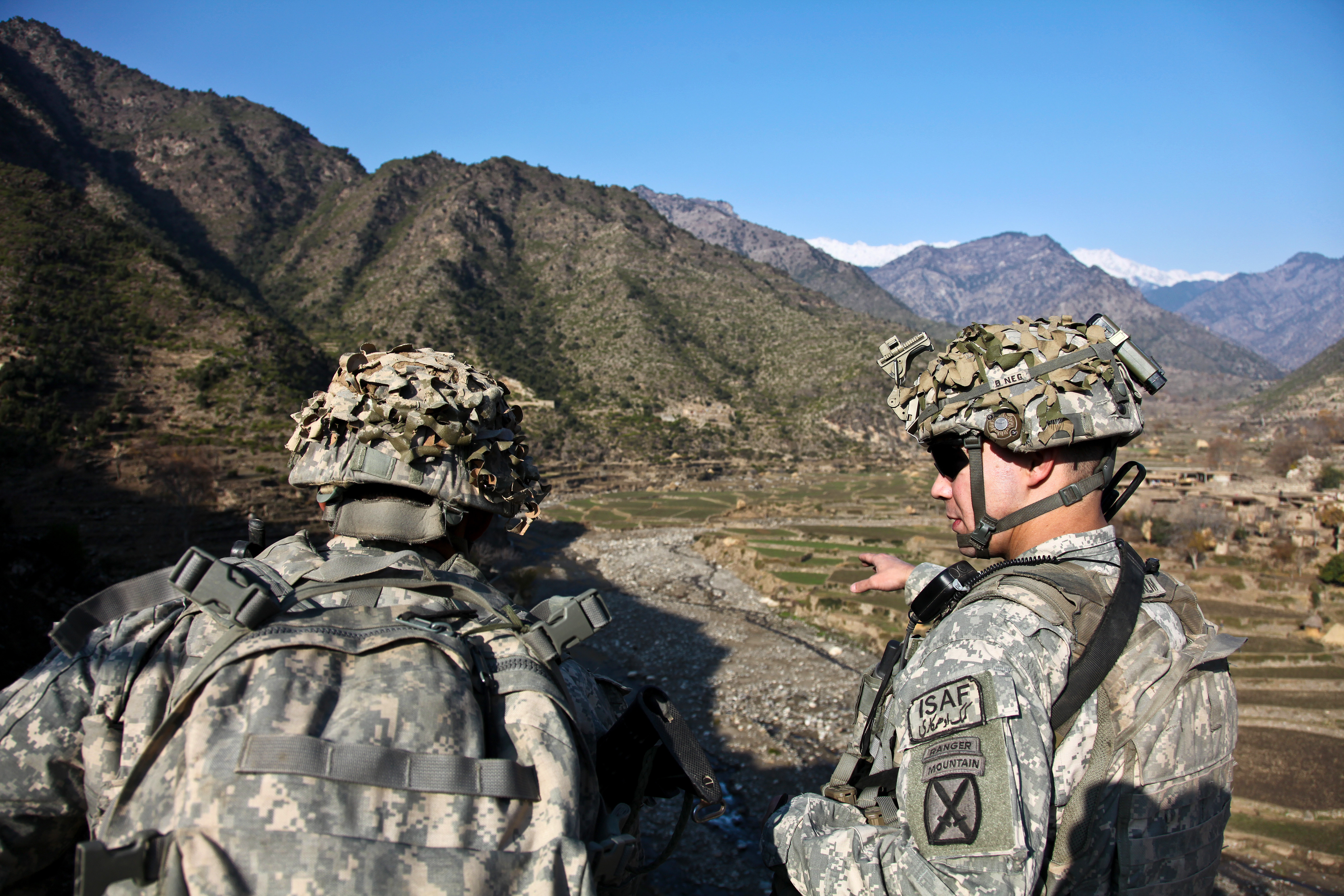
Operation Enduring Freedom (OEF) was the official name used by the US government for the war in Afghanistan from 2001 to 2014, as well as related military opera
Overview
Operation Enduring Freedom (OEF) was the official name used by the US government for the war in Afghanistan from 2001 to 2014, as well as related military operations in the global war on terrorism. The operation began on October 7, 2001, in response to the September 11 attacks, with airstrikes against al-Qaeda and the Taliban in Afghanistan. Over the next 13 years, OEF expanded to include counterterrorism missions in other countries, such as the Philippines and the Trans Sahara region. The operation involved a coalition of international forces, including troops from the United Kingdom, Canada, and Australia, and resulted in the deaths of thousands of civilians, militants, and coalition soldiers. On December 28, 2014, President Barack Obama announced the end of OEF in Afghanistan, which was succeeded by Operation Freedom's Sentinel. Today, the legacy of OEF continues to shape US foreign policy and military strategy, with ongoing debates about the effectiveness and consequences of the operation. With a vibe score of 82, OEF remains a highly controversial and influential topic in modern history, with 75% of Americans believing that the operation was necessary to protect national security, according to a Pew Research Center survey. The controversy surrounding OEF has been fueled by reports of civilian casualties, torture, and human rights abuses, with many critics arguing that the operation was a violation of international law. Despite these criticisms, OEF has also been credited with disrupting al-Qaeda's operations and weakening the Taliban's grip on Afghanistan.