
Contents
Overview
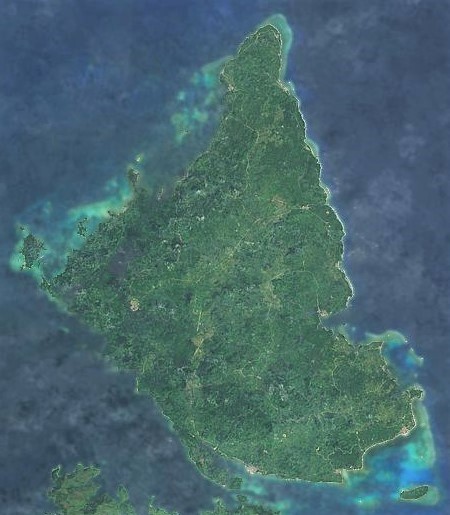
The history of surfing in Siargao is intrinsically linked to the island's discovery by a handful of pioneering surfers in the late 1980s and early 1990s. While local communities have always lived by the rhythm of the ocean, the introduction of Western-style surfing is often attributed to a group of surfers who stumbled upon the island, drawn by rumors of unridden waves. The discovery of the now-iconic Cloud 9 break, published in Surfer Magazine, was a watershed moment, catapulting Siargao onto the international surf map. This exposure led to a gradual influx of surf tourism, transforming the island's economy and culture over the subsequent decades. The island's geographical positioning, facing the vast Pacific Ocean, ensures it receives consistent swells, a factor that has been crucial to its development as a premier surf destination.
⚙️ How It Works
Siargao's surf breaks operate on a predictable pattern dictated by the Pacific Ocean's swell. The island's geography, a mix of exposed east-facing coastlines and protected bays, creates a variety of wave types. Cloud 9, a world-renowned right-hand reef break, is famous for its hollow, barreling waves that peel over a shallow coral reef, demanding expert skill. Other breaks like Cemetery, Stimpy's, and Rock Island offer different challenges, from powerful reef breaks to gentler point breaks suitable for intermediate surfers. The infrastructure supporting surfing includes numerous surf schools, board rental shops, and local guides who possess intimate knowledge of the breaks and conditions, ensuring accessibility for a wide range of surfers.
📊 Key Facts & Numbers
Siargao's surf tourism generates an estimated PHP 2 billion (approximately USD 35 million) annually, with surfing-related activities accounting for a significant portion. The island hosts an average of 100,000 tourists per year, with a substantial percentage coming specifically for surfing. Cloud 9 consistently ranks among the top 50 surf breaks globally, attracting an estimated 5,000 surfers during peak season. The island's surf season typically runs from March to November, with the most consistent swells occurring between September and October. Over 50 surf schools and rental shops operate across the island, employing an estimated 1,000 local guides and instructors. The average cost for a surf lesson with board rental ranges from PHP 500 to PHP 1,500 (USD 9-27).
👥 Key People & Organizations
Key figures in Siargao's surf scene include local surf pioneers and international surf photographers who first documented its waves. John D. Curtis, the photographer credited with capturing the first iconic images of Cloud 9, played a pivotal role in its global recognition. Local surf operators and guides, such as those associated with the Siargao Surfers Association, are instrumental in managing surf tourism and promoting sustainable practices. The Philippine Surfing Federation also plays a role in organizing national competitions and promoting surfing as a sport across the archipelago. International surf brands and media outlets, including Surfer Magazine and Stab Magazine, have consistently featured Siargao, further cementing its status.
🌍 Cultural Impact & Influence
Siargao's surf culture has profoundly impacted the island's identity, transforming it into a vibrant hub for international travelers and a symbol of Filipino surf potential. The island's aesthetic, characterized by palm-fringed beaches and laid-back surf camps, has influenced travel trends in Southeast Asia. The success of the film 'Siargao' further amplified its appeal, showcasing the island's natural beauty and surf lifestyle to a wider audience. This cultural shift has led to increased economic opportunities for locals, with many becoming surf instructors, hospitality workers, or entrepreneurs in the tourism sector. The island's reputation as a premier surf destination has also fostered a sense of pride and community among its residents, who actively participate in surf competitions and environmental initiatives.
⚡ Current State & Latest Developments
Siargao continues to evolve as a global surf destination, with ongoing developments in infrastructure and tourism. The island is increasingly hosting international surf competitions, such as the annual Siargao Cloud 9 Surfing Cup, attracting professional surfers and media attention. Efforts are being made to promote sustainable tourism practices, addressing concerns about environmental impact and overdevelopment. The local government, in collaboration with surf organizations, is working to manage the influx of tourists and preserve the island's natural beauty. Digital nomadism has also seen a rise, with many remote workers choosing Siargao for its lifestyle and connectivity, further diversifying the island's visitor demographic.
🤔 Controversies & Debates
The rapid growth of tourism in Siargao has sparked debates surrounding sustainability and the impact on local communities. Concerns have been raised about the potential for overdevelopment, environmental degradation, and the strain on local resources. Some argue that the island's infrastructure is struggling to keep pace with the influx of visitors, leading to issues like waste management and traffic congestion. There's also a discussion about ensuring that the economic benefits of tourism are equitably distributed among the local population, rather than primarily benefiting external investors. Balancing the preservation of Siargao's natural charm with the demands of a burgeoning tourism industry remains a central challenge.
🔮 Future Outlook & Predictions
The future of Siargao surfing appears poised for continued growth, albeit with a growing emphasis on sustainability and responsible tourism. As global interest in surf travel remains high, Siargao is likely to attract even more visitors, necessitating careful planning and management. Innovations in eco-tourism and community-based initiatives are expected to play a larger role in shaping the island's development. There's also potential for Siargao to further solidify its position as a training ground for aspiring professional surfers, with investments in advanced surf facilities and coaching programs. The island's ability to maintain its authentic charm while accommodating growth will be key to its long-term success as a premier surf destination.
💡 Practical Applications
Siargao's surf breaks offer practical applications beyond recreational surfing. The consistent waves and diverse breaks serve as natural laboratories for surf science and wave dynamics research. The island's popularity has also spurred the development of specialized surf tourism businesses, including surf schools, accommodation providers, and equipment rental services. Furthermore, the surf culture has inspired local artisans and entrepreneurs to create surf-inspired fashion and crafts, contributing to the island's unique economic ecosystem. The consistent swell patterns also present opportunities for renewable energy research, particularly in wave energy conversion technologies.
Key Facts
- Category
- vibes
- Type
- place