
Contents
Overview
Transition planning for students, particularly those with disabilities, is a critical process that prepares them for life after high school. This planning is mandated by laws such as the Individuals with Disabilities Education Act (IDEA), which emphasizes the right to a free and appropriate education in the least restrictive environment. Transition planning involves creating individualized education programs (IEPs) that focus on students' goals, whether they pertain to further education, employment, or independent living. The process not only supports students in achieving their personal aspirations but also fosters greater inclusion in society. With ongoing debates about the adequacy of resources and support, the future of transition planning remains a pivotal topic in educational policy.
🎵 Origins & History
The roots of transition planning for students with disabilities can be traced back to landmark legislation in the United States, particularly the Education for All Handicapped Children Act (EAHCA) signed into law by President Gerald R. Ford in 1975. This act laid the groundwork for the right to a free and appropriate public education, which was further reinforced by the Individuals with Disabilities Education Act (IDEA) in 1990. Amendments to IDEA in 1997 emphasized the importance of preparing students for post-secondary education, vocational training, and independent living. This evolution reflects a growing recognition of the unique challenges faced by students with disabilities and the need for structured support systems.
⚙️ How It Works
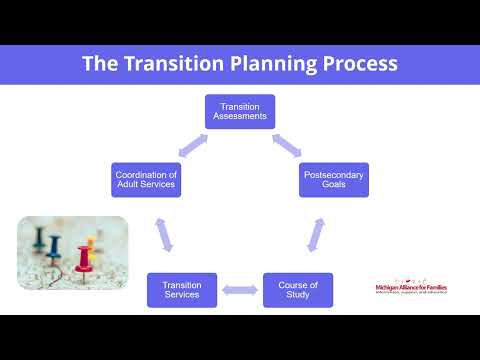
Transition planning operates through a collaborative process involving educators, parents, and students themselves. Individualized Education Programs (IEPs) are central to this process, outlining specific goals and the services required to achieve them. For instance, a student may have goals related to vocational training, which could involve partnerships with local businesses or community colleges. The planning process typically includes assessments to identify strengths and areas for growth, ensuring that the transition plan is tailored to the student's needs. Additionally, resources such as the Transition Assessment and Planning Inventory (TAPI) help educators gather data to inform these plans. Effective transition planning not only prepares students for their next steps but also fosters self-advocacy skills, empowering them to take charge of their futures.
📊 Key Facts & Numbers
Key organizations involved in transition planning include the National Center on Secondary Education and Transition (NCSET), which provides resources and training for educators, and the Council for Exceptional Children (CEC), which advocates for policies that support students with disabilities. Notable figures in this field include Dr. Michael Wehmeyer, a leading researcher in self-determination and transition planning, and Dr. Anne Meyer, co-founder of CAST, which promotes Universal Design for Learning (UDL). These individuals and organizations contribute significantly to the development of best practices and policies that enhance transition outcomes for students with disabilities.
👥 Key People & Organizations
The cultural impact of transition planning extends beyond education, influencing employment practices, community inclusion, and societal attitudes toward individuals with disabilities. Initiatives like the Employment First movement advocate for competitive employment as the first option for individuals with disabilities, challenging traditional views that often relegated them to sheltered workshops. Media representation of individuals with disabilities has also evolved, with increased visibility in films and television promoting narratives of empowerment and success. As society becomes more aware of the capabilities of individuals with disabilities, the importance of effective transition planning is underscored, fostering a more inclusive environment.
🌍 Cultural Impact & Influence
Recent developments include the integration of technology in transition services, such as virtual job fairs and online training programs, which have become increasingly important in the wake of the COVID-19 pandemic. Legislative efforts, such as the Workforce Innovation and Opportunity Act (WIOA), aim to enhance job training and placement services for individuals with disabilities. However, challenges remain, including disparities in access to resources and support across different states and districts. The push for more comprehensive transition services is ongoing, with advocates calling for increased funding and policy reforms to ensure that all students with disabilities receive the support they need.
⚡ Current State & Latest Developments
Controversies surrounding transition planning often focus on the adequacy of resources and the effectiveness of current practices. Critics argue that many schools lack the necessary funding and trained personnel to implement robust transition programs. Additionally, there is debate over the age at which transition planning should begin. Some advocate for earlier interventions to better prepare students, while others argue that the current age of 16 is appropriate, emphasizing the need for individualized approaches rather than a one-size-fits-all model. These discussions reflect broader tensions in educational policy regarding the allocation of resources and the prioritization of students' needs.
🤔 Controversies & Debates
Looking ahead, the future of transition planning is likely to be shaped by ongoing legislative changes and advancements in technology. Experts predict that the integration of artificial intelligence and data analytics will enhance the personalization of transition plans, allowing for more precise tracking of student progress and outcomes. Additionally, as the labor market evolves, there will be a growing emphasis on soft skills and adaptability in transition programs. The next decade may also see increased collaboration between educational institutions and employers, creating more pathways for students with disabilities to enter the workforce. The challenge will be ensuring that these developments are accessible to all students, regardless of their geographic or socioeconomic status.
🔮 Future Outlook & Predictions
Transition planning has practical applications across various sectors, including education, vocational training, and community services. Schools often collaborate with local businesses to provide internships and job shadowing opportunities, allowing students to gain real-world experience. Vocational rehabilitation services play a crucial role in supporting students as they navigate the transition to employment, offering job coaching and placement assistance. Additionally, community organizations may provide resources for independent living skills, helping students develop the competencies needed to thrive in adulthood. These practical applications underscore the importance of a coordinated approach to transition planning, involving multiple stakeholders to ensure comprehensive support.
💡 Practical Applications
Related topics include the Individuals with Disabilities Education Act (IDEA), vocational rehabilitation services, and self-determination theory. Exploring these areas can provide deeper insights into the frameworks and philosophies that underpin effective transition planning. Additionally, examining case studies of successful transition programs can highlight best practices and innovative approaches that can be replicated in various contexts.
Key Facts
- Category
- culture
- Type
- concept