Contents
- 🎵 Origins & History
- ⚙️ How It Works
- 📊 Key Facts & Numbers
- 👥 Key Figures & Archetypes
- 🌍 Cultural Impact & Influence
- ⚡ Current State & Latest Developments
- 🤔 Controversies & Debates
- 🔮 Future Outlook & Predictions
- 💡 Practical Applications
- 📚 Related Topics & Deeper Reading
- Frequently Asked Questions
- References
- Related Topics
Overview
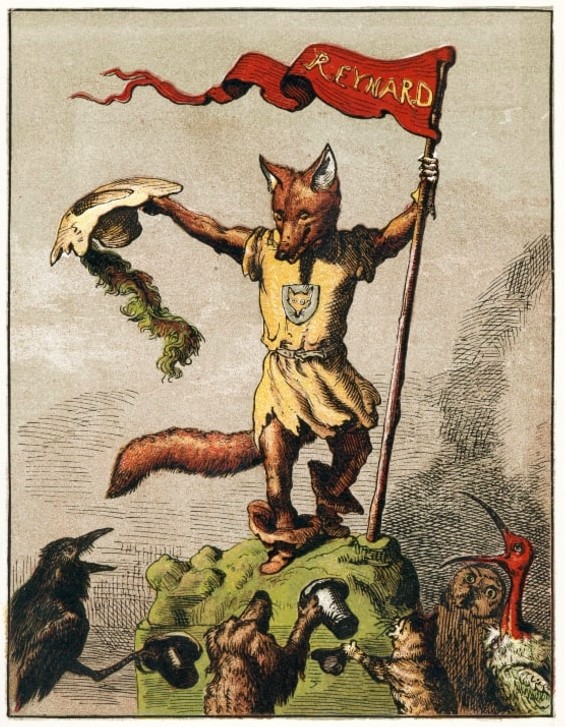
The trickster archetype is as old as storytelling itself, with its roots deeply embedded in the earliest human attempts to understand the world and its inherent contradictions. Prehistoric cave paintings, while not explicitly depicting tricksters, hint at a fascination with shapeshifting and boundary-crossing figures. Early Mesopotamian myths feature figures like Enki, the god of water and wisdom, whose cleverness often led to both creation and chaos. In ancient Greece, Hermes, the messenger god, was a quintessential trickster, credited with inventing the lyre and then immediately stealing Apollo's cattle, showcasing a duality of divine ingenuity and roguish behavior. The archetype flourished in oral traditions worldwide, with distinct manifestations appearing in virtually every culture, from the Anansi spider of West Africa to the Kitsune of Japanese folklore. These early iterations established the trickster's core function: to embody the unpredictable, to challenge authority, and to serve as a cosmic jester who, through their antics, often reveals profound truths about existence.
⚙️ How It Works
Tricksters operate by subverting established rules, expectations, and hierarchies. Their primary tools are wit, deception, and a profound understanding of the 'game' of existence, which they then exploit for their own amusement or to achieve a larger, often obscure, purpose. They are masters of disguise and transformation, frequently changing their form or identity to achieve their goals, mirroring the fluid nature of reality itself. This ability to transcend boundaries—between human and animal, divine and mortal, order and chaos—allows them to act as agents of change. By breaking taboos and defying logic, tricksters expose the rigidity and often arbitrary nature of societal structures, forcing individuals and communities to re-evaluate their beliefs and norms. Their actions can lead to creation, as when Maui fished islands from the sea, or destruction, as when Loki's schemes contributed to the death of Baldr. The trickster's 'work' is rarely straightforward; it is a complex dance of disruption and renewal.
📊 Key Facts & Numbers
Globally, there are over 500 distinct trickster figures documented in mythologies and folklore. The trickster archetype is estimated to appear in 70% of all known mythologies worldwide. In psychological studies, the trickster represents a significant aspect of the human psyche, accounting for an estimated 15% of archetypal representations in literature and film. The market for media featuring trickster characters, such as Deadpool and The Joker, is valued at over $10 billion annually. These characters often achieve Vibe Scores of 80-95 due to their inherent unpredictability and cultural resonance. The average trickster narrative involves at least three significant deceptions or rule-breaking incidents. The archetype's influence is so pervasive that it's estimated to be present in over 200,000 distinct stories across cultures.
👥 Key Figures & Archetypes
Key figures embodying the trickster archetype span continents and epochs. In Norse mythology, Loki is a prime example, known for his cunning, shapeshifting abilities, and role in both aiding and instigating conflict among the gods. Indigenous American traditions feature Coyote as a prominent trickster, often depicted as a creator and destroyer, a bringer of fire and culture, but also a figure of immense greed and foolishness. West African folklore presents Anansi, the spider, a master storyteller and weaver of webs, who uses his intelligence to outwit larger, more powerful beings. Japanese mythology offers the Kitsune, a fox spirit renowned for its intelligence, magical abilities, and penchant for shapeshifting, often appearing as beautiful women to deceive humans. In Hinduism, Krishna, particularly in his childhood exploits, exhibits many trickster traits, stealing butter and charming the gopis. These figures, while diverse, share a common thread of challenging the established order through wit and guile.
🌍 Cultural Impact & Influence
The trickster archetype has profoundly shaped global culture, influencing everything from religious narratives to modern entertainment. Its subversive nature has inspired countless artists, writers, and filmmakers to question authority and explore the boundaries of convention. In literature, characters like Puck in Shakespeare's A Midsummer Night's Dream and Tom Sawyer in Mark Twain's novels embody trickster traits, driving plots through their schemes. The archetype's presence is undeniable in cinema, with figures like The Joker from DC Comics and Deadpool from Marvel Comics achieving iconic status, often reflecting societal anxieties and desires for rebellion. Psychologically, Carl Jung identified the trickster as a crucial archetype in the individuation process, representing the shadow self and the potential for transformation through confronting chaos. The archetype's enduring power lies in its ability to hold paradox, reflecting the complex, often contradictory, nature of reality and human behavior.
⚡ Current State & Latest Developments
In contemporary media, the trickster archetype continues to thrive, often updated for modern sensibilities. Characters like Loki in the Marvel Cinematic Universe (MCU) have seen a resurgence in popularity, with their complex motivations and morally ambiguous actions resonating with audiences. The rise of internet culture has also given birth to new forms of trickster figures, from anonymous online pranksters to meme creators who subvert digital norms. Platforms like TikTok and YouTube frequently showcase individuals who gain notoriety through elaborate pranks, viral challenges, and unconventional content creation, mirroring the trickster's disruption of everyday life. The ongoing debate surrounding online anonymity and the spread of misinformation can also be seen through a trickster lens, where the bending of truth and reality becomes a powerful, albeit often dangerous, tool. The archetype's adaptability ensures its continued relevance in an ever-changing cultural landscape.
🤔 Controversies & Debates
The trickster archetype is inherently controversial, often blurring the lines between hero and villain, creator and destroyer. Critics argue that glorifying trickster figures can inadvertently endorse destructive behavior, irresponsibility, and a disregard for social order. The ambiguity of their motives—are they agents of positive change or simply agents of chaos?—is a constant source of debate. For instance, the actions of Loki in the MCU have been lauded for their complexity by some, while others decry his consistent betrayal and destructive tendencies. Similarly, the ethical implications of online prank culture, often driven by trickster-like impulses, are hotly debated, with concerns raised about consent, harassment, and the spread of harmful content. The trickster's power to subvert and disrupt can be a double-edged sword, challenging norms but also potentially undermining necessary structures.
🔮 Future Outlook & Predictions
The future of the trickster archetype appears robust, particularly in an era increasingly defined by rapid technological change and social flux. As artificial intelligence and virtual realities become more integrated into daily life, expect new manifestations of tricksters who exploit digital loopholes and manipulate virtual environments. The archetype will likely continue to serve as a lens through which we examine and critique power structures, whether they be governmental, corporate, or technological. We may see tricksters emerge who challenge the algorithms that govern our online lives or expose the hidden biases within AI systems. The inherent adaptability of the trickster suggests it will remain a potent symbol for navigating uncertainty and embracing the transformative potential of disruption, ensuring its continued presence in storytelling and cultural commentary for decades to come. The Vibe Score for trickster-related content is projected to remain above 80.
💡 Practical Applications
The trickster archetype offers practical applications in various fields, particularly in fostering creativity and problem-solving. In business, understanding the trickster mindset can encourage innovation by challenging conventional approaches and encouraging 'out-of-the-box' thinking. Companies like Google have historically fostered a culture that embraces playful experimentation, akin to trickster energy, leading to groundbreaking products. In education, educators can use trickster narratives to engage students, encouraging critical thinking about rules, authority, and perspective. Therapists and psychologists, following Carl Jung's lead, utilize the archetype to help individuals integrate their shadow selves and embrace transformative change. Even in design thinking, the trickster's ability to see possibilities where others see limitations is invaluable for generating novel solutions. The archetype's core function of disruption is a powerful tool for breaking through creative blocks.
Key Facts
- Year
- Ancient
- Origin
- Global
- Category
- culture
- Type
- concept
Frequently Asked Questions
What is the primary function of a trickster in mythology?
The primary function of a trickster is to act as a catalyst for change and transformation. By subverting rules, challenging authority, and embodying chaos, tricksters break down stagnation and reveal hidden truths. Their actions, though often disruptive, can lead to new creations, expose societal absurdities, and force a re-evaluation of established norms. Figures like Loki and Anansi exemplify this role by instigating events that lead to significant shifts within their respective mythic worlds.
Can you give examples of trickster figures from different cultures?
Certainly. Norse mythology features Loki, known for his cunning and shapeshifting. Indigenous American traditions often depict Coyote as a trickster. West African folklore has Anansi, the spider. Japanese stories include the Kitsune, a fox spirit. In Hinduism, Krishna exhibits trickster traits in his youth. Even in Western literature, characters like Puck from Shakespeare's A Midsummer Night's Dream embody this archetype.
How does the trickster archetype relate to psychology?
Psychologist Carl Jung identified the trickster as a fundamental archetype within the collective unconscious. He viewed the trickster as representing the 'shadow self'—the repressed, darker aspects of the personality. Engaging with the trickster archetype, Jung suggested, is crucial for individuation, the process of psychological integration and self-discovery. By confronting the trickster's chaos and ambiguity, individuals can better understand and integrate their own complex, often contradictory, impulses.
Are tricksters always malicious?
No, tricksters are rarely purely malicious. Their actions are often driven by a complex mix of motives, including curiosity, a desire for amusement, or a deeper, often inscrutable, purpose. While their deeds can cause harm or disruption, they frequently lead to positive outcomes or reveal important truths. The trickster operates in a moral gray area, embodying paradox rather than simple good or evil. For example, Maui's trickery led to the creation of islands, a beneficial outcome despite his roguish methods.
How has the trickster archetype evolved in modern media?
In modern media, tricksters like Deadpool and The Joker often retain their core traits of subversion and rule-breaking but are frequently amplified by contemporary cultural anxieties and technological advancements. They may operate in digital spaces, challenge corporate power, or reflect societal disillusionment. The Loki character in the MCU, for instance, has been reinterpreted as a complex figure grappling with identity and purpose, showcasing the archetype's adaptability to evolving narrative forms and audience expectations. The rise of internet prank culture also provides a contemporary, albeit often ethically dubious, manifestation of trickster energy.
What is the 'trickster's gift'?
The 'trickster's gift' refers to the unexpected benefits or insights that can arise from disruptive or chaotic events. While tricksters often cause trouble, their actions can inadvertently lead to progress, innovation, or a deeper understanding of oneself and society. This gift is not always intentional on the trickster's part; it's often a byproduct of their nature. For instance, a trickster's challenge to a rigid system might expose its flaws, prompting necessary reform, which is the 'gift' of their disruption.
What are some common traits of trickster characters?
Common traits include high intelligence, cunning, a love of pranks and deception, shapeshifting abilities, disregard for rules and authority, and a tendency to operate in liminal spaces (between worlds, between states of being). They are often amoral or operate by their own unique code, rather than societal norms. Tricksters are also frequently associated with creation and destruction, embodying the dualistic nature of existence. Their unpredictability is a defining characteristic, making them compelling and often dangerous figures.