Iran's Missile Capabilities and Trump's China Visit: A
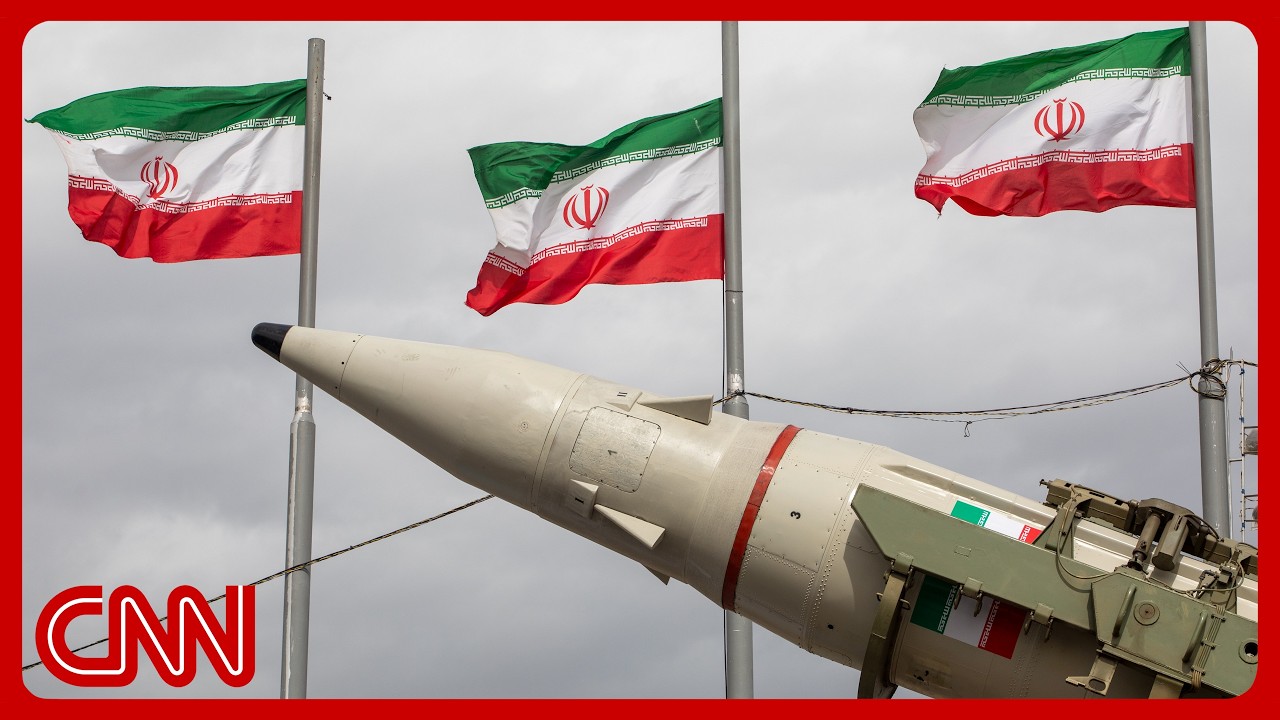
Reports suggesting **Iran** has retained significant **missile capabilities** have surfaced, even as former US President **Donald Trump** embarks on a visit…
Summary
Reports suggesting **Iran** has retained significant **missile capabilities** have surfaced, even as former US President **Donald Trump** embarks on a visit to **China**. Trump has publicly dismissed these reports, calling them 'false' and stating the 'Iranian enemy is doing well' is untrue. This juxtaposition highlights the complex geopolitical landscape, where regional conflicts intersect with broader international relations, particularly concerning US-China dynamics and Iran's strategic posture. The situation underscores ongoing concerns about Iran's military advancements and the potential for regional instability, while simultaneously drawing attention to the diplomatic maneuvers of major global powers. The Independent's report places this development within the context of ongoing tensions in the Strait of Hormuz and potential ceasefire discussions. Trump's remarks, made during his trip to China, add a layer of personal diplomacy to the broader US foreign policy discourse, even outside his official capacity. The article implicitly questions the veracity of intelligence regarding Iran's capabilities and frames Trump's statements as a potential counter-narrative or a strategic deflection.
Key Takeaways
- Reports indicate Iran has maintained its missile capabilities, a point of contention in international security.
- Former President Donald Trump publicly refuted these reports during his visit to China.
- The timing of Trump's China visit alongside Iran-related news highlights complex geopolitical intersections.
- Iran's missile program remains a significant factor in Middle Eastern regional security dynamics.
- The interplay between intelligence, political rhetoric, and international diplomacy shapes perceptions of Iran's military strength.
Balanced Perspective
The situation presents a complex interplay of intelligence reporting, political rhetoric, and international diplomacy. Reports of Iran's retained missile capabilities, if true, would indicate a persistent challenge to regional security and international non-proliferation efforts. Trump's statements, made during his visit to China, could be interpreted as a political tactic to influence perceptions or as a genuine assessment of intelligence. The actual state of Iran's missile program and the implications of Trump's diplomatic engagements remain subjects requiring careful verification and analysis.
Optimistic View
From an optimistic viewpoint, Trump's dismissal of reports about Iran's missile capabilities could signal a de-escalation strategy, aiming to avoid further provocation and create space for diplomatic solutions. His engagement with China, a key player in global affairs, might foster a united front against proliferation or encourage multilateral approaches to regional security. This could lead to a more stable Middle East and a less confrontational international environment, benefiting global trade and cooperation.
Critical View
The pessimistic outlook sees these reports as a stark warning of Iran's continued defiance of international norms and a potential precursor to further conflict. Trump's visit to China, at this juncture, could be seen as a distraction from critical regional issues or, worse, as a sign of shifting global alliances that could embolden adversaries. The potential for miscalculation or escalation remains high, with Iran's missile advancements posing a direct threat to its neighbors and global shipping lanes, particularly in the Strait of Hormuz.
Source
Originally reported by The Independent