Summary
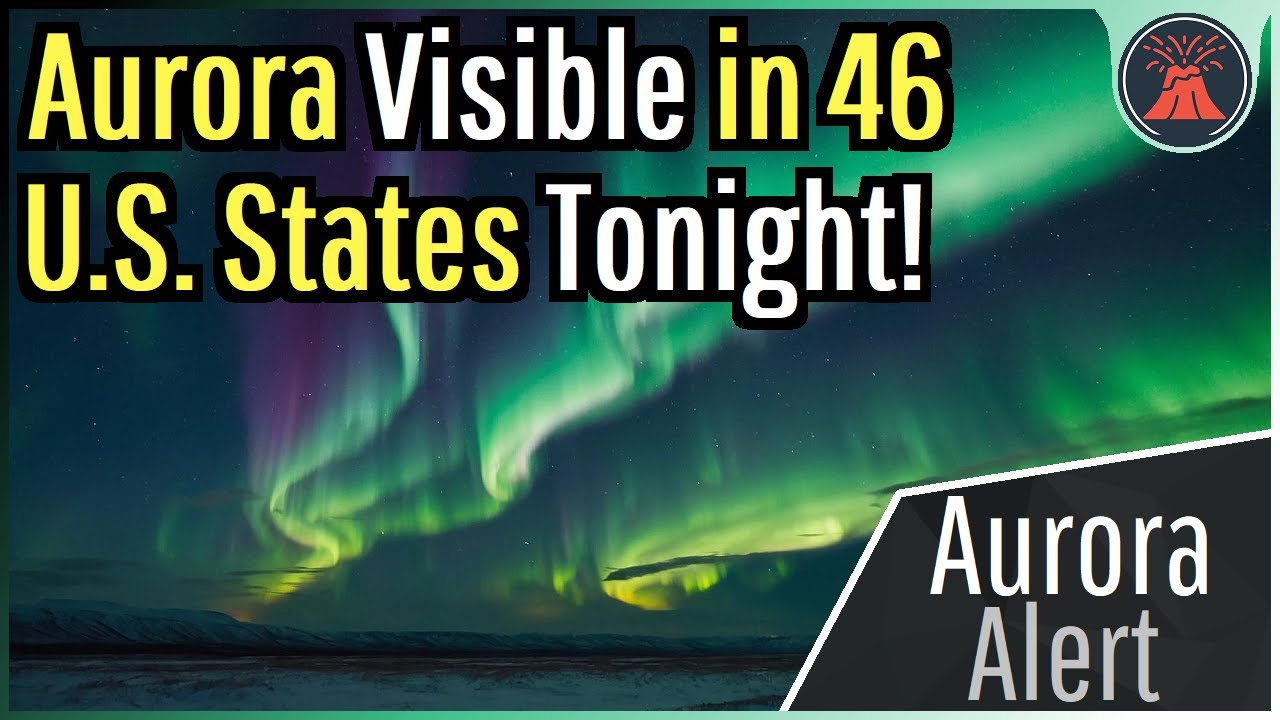
**Up to 10 states** may witness the stunning **Aurora Borealis** tonight, as predicted by the **National Oceanic and Atmospheric Administration (NOAA)**. This celestial phenomenon occurs when charged particles from the sun collide with Earth's atmosphere, creating vibrant displays of light. The forecast has generated excitement among skywatchers and photographers alike, eager to capture the ethereal beauty of the northern lights. The states expected to see the aurora include **Minnesota, Wisconsin, Michigan, North Dakota, South Dakota, Montana, Idaho, Washington, Oregon, and New York**. As solar activity increases, the chances of viewing the aurora expand, making this event particularly noteworthy for those in lower latitudes. The anticipation builds as enthusiasts prepare for a night under the stars, hoping to witness this breathtaking spectacle.
Key Takeaways
- Up to 10 states may see the Aurora Borealis tonight, according to NOAA.
- The phenomenon is caused by solar particles colliding with Earth's atmosphere.
- Visibility depends on local weather conditions and light pollution.
- Cities may struggle to provide optimal viewing due to urban light interference.
- Community engagement can enhance the experience of witnessing the aurora.
Balanced Perspective
From a neutral standpoint, the forecast indicates that **solar activity** is at a level conducive to aurora sightings, particularly due to a recent **coronal mass ejection (CME)**. The NOAA's predictions are based on scientific data, but it's essential to note that visibility can be affected by local weather conditions, such as cloud cover. While excitement is warranted, the actual experience may vary depending on specific locations and atmospheric clarity. The phenomenon is a natural occurrence, and while forecasts can be accurate, they are not guarantees of visibility.
Optimistic View
The optimistic view highlights the **increased accessibility** of the aurora for many Americans, as it reaches states not typically associated with such displays. This could foster a greater appreciation for natural wonders and boost local tourism, especially in regions like **Minnesota** and **Michigan**. The event also serves as a reminder of the **interconnectedness of solar activity** and terrestrial phenomena, sparking interest in **space weather** and its effects on Earth. With more people engaging with astronomy, we could see a rise in educational initiatives focused on the **science of the aurora** and its implications for our planet.
Critical View
On the pessimistic side, there are concerns about the **impact of light pollution** in urban areas, which could hinder the visibility of the aurora for many. Cities like **New York** and **Washington** may struggle to provide optimal viewing conditions, potentially leading to disappointment among those hoping to see the lights. Additionally, the unpredictability of weather patterns could further obscure the event, leaving many enthusiasts frustrated. There's also a risk that heightened interest could lead to overcrowding in popular viewing spots, detracting from the experience of witnessing such a rare natural display.
Source
Originally reported by Forbes