
Contents
- 🎯 Origins & History
- 🔍 How It Works
- 📊 Key Facts & Numbers
- 👥 Key People & Organizations
- 🌍 Cultural Impact & Influence
- ⚡ Current State & Latest Developments
- 🤔 Controversies & Debates
- 🔮 Future Outlook & Predictions
- 💡 Practical Applications
- 📚 Related Topics & Deeper Reading
- Frequently Asked Questions
- References
- Related Topics
Overview
Intelligence agencies are government organizations responsible for collecting, analyzing, and exploiting information to support national security, law enforcement, and foreign policy objectives. The assembly and propagation of this information are known as intelligence analysis or intelligence assessment. With a rich history, intelligence agencies have evolved to play a crucial role in modern geopolitics. Notable agencies include the Central Intelligence Agency (CIA), MI6, and KGB. The work of intelligence agencies is often shrouded in secrecy, but their impact on global events is undeniable. As technology advances, the methods and scope of intelligence agencies continue to expand, raising important questions about privacy, security, and the balance of power. With a global network of agents and operatives, intelligence agencies are a vital component of a nation's defense and foreign policy apparatus. The National Security Agency (NSA) and Federal Bureau of Investigation (FBI) are examples of agencies that work to protect national interests and prevent threats.
🎯 Origins & History
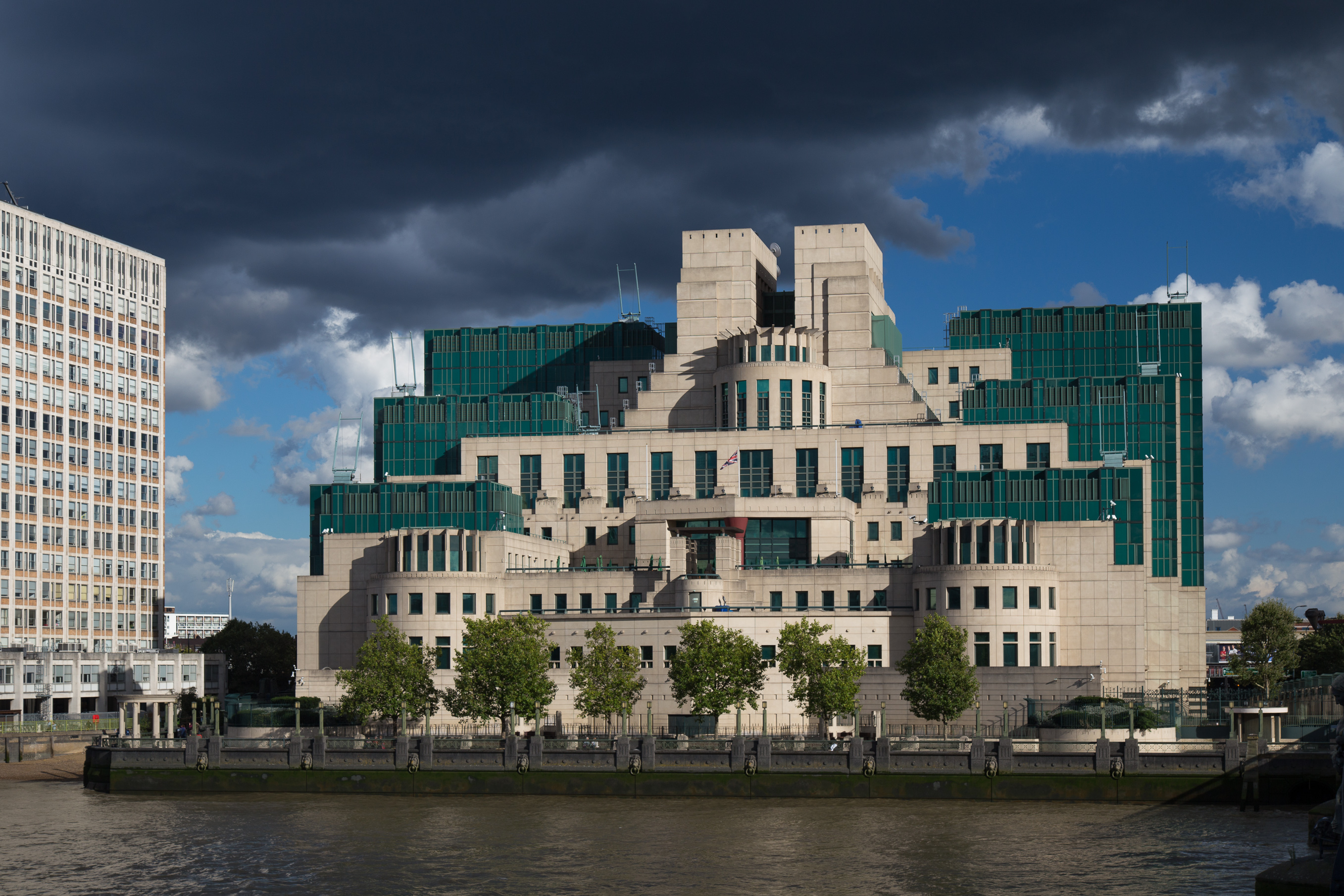
The modern concept of intelligence agencies began to take shape during the 20th century. The establishment of organizations such as MI5 and MI6 in the United Kingdom marked the beginning of modern intelligence agencies.
🔍 How It Works
Intelligence agencies employ various methods to gather information. They also cooperate with other institutions, such as law enforcement agencies and foreign governments, to gather and analyze intelligence. The assembly and propagation of this information are known as intelligence analysis or intelligence assessment.
📊 Key Facts & Numbers
Key facts about intelligence agencies are not publicly available due to the sensitive nature of their work. However, it is known that intelligence agencies play a crucial role in supporting national security and foreign policy objectives.
👥 Key People & Organizations
Key people involved in the history and operation of intelligence agencies are not publicly disclosed. However, it is known that intelligence agencies are led by experienced professionals who are responsible for making critical decisions about national security and foreign policy.
🌍 Cultural Impact & Influence
The cultural impact of intelligence agencies is significant, with many films, books, and television shows featuring spies and espionage. The James Bond series, for example, has become a cultural phenomenon, with its depiction of a suave and sophisticated spy.
⚡ Current State & Latest Developments
The current state of intelligence agencies is one of rapid change and evolution. The rise of cyber warfare and artificial intelligence has created new challenges and opportunities for intelligence agencies.
🤔 Controversies & Debates
Controversies surrounding intelligence agencies include concerns about privacy and civil liberties. The media plays a crucial role in shaping public perception of intelligence agencies.
🔮 Future Outlook & Predictions
The future outlook for intelligence agencies is uncertain, with many predicting a continued shift towards new technologies and methods of intelligence gathering and analysis.
💡 Practical Applications
Practical applications of intelligence agencies include the prevention of threats and the gathering of strategic intelligence. Intelligence agencies also play a critical role in supporting national security and foreign policy objectives.
Key Facts
- Category
- history
- Type
- concept
Frequently Asked Questions
What is the primary function of intelligence agencies?
The primary function of intelligence agencies is to gather, analyze, and exploit information in support of national security, law enforcement, and foreign policy objectives.
How do intelligence agencies gather information?
The methods used by intelligence agencies to gather information are not publicly disclosed.
What are some notable intelligence agencies?
Notable intelligence agencies include the Central Intelligence Agency (CIA), MI6, and KGB.
What are some controversies surrounding intelligence agencies?
Controversies surrounding intelligence agencies include concerns about privacy and civil liberties.