
Contents
Overview
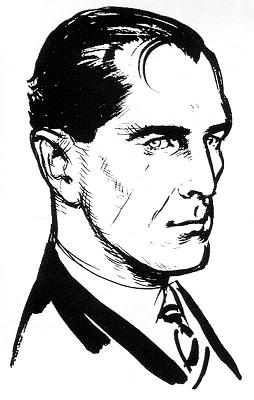
James Bond, codenamed 007, is a fictional British Secret Service agent created by Ian Fleming in 1953. He's the protagonist of the longest-running film series in history, a cultural phenomenon that has defined espionage thrillers for over six decades. Bond is renowned for his suave demeanor, sophisticated tastes, and unparalleled combat skills, often operating under the direct authority of 'M' and with the assistance of Q Branch's ingenious gadgets. His adventures typically involve foiling global threats orchestrated by megalomaniacal villains, often with the help of a 'Bond girl' who may or may not be an ally.
While the character originated in Fleming's novels, the film franchise, beginning with Dr. No in 1962, has cemented Bond's global recognition. Each actor who has donned the tuxedo – from Sean Connery to Daniel Craig – has brought a distinct interpretation, contributing to the character's enduring appeal and evolving relevance. The films are characterized by their spectacular action sequences, exotic locations, and memorable theme songs, which have become as iconic as Bond himself.
The enduring legacy of James Bond lies not just in his thrilling escapades but also in his status as a male archetype of sophistication and capability. He embodies a certain aspirational fantasy, a world of high stakes, high rewards, and unwavering cool under pressure. Despite criticism and evolving perceptions of masculinity and representation, Bond remains a titan of popular culture, a testament to the power of enduring storytelling and cinematic spectacle.
Origins in Literature
The genesis of James Bond lies in Ian Fleming's post-WWII experiences and his desire to create an adventurous hero unlike the disillusioned spies of wartime fiction. Fleming, a former naval intelligence officer, began writing Casino Royale in 1952 at his Goldeneye estate in Jamaica. He envisioned Bond as a complex character: a blend of "flaming promiscuity, ஞான (gnana - knowledge/wisdom), and cynical detachment," a man who was both a skilled operative and a connoisseur of life's finer things. The early novels established Bond's signature vices – smoking, drinking, gambling – and his professional loyalty to the Crown, setting the stage for his cinematic translation.
Cinematic Evolution
The transition to cinema, beginning with Dr. No (1962), propelled Bond into global superstardom. Sean Connery's portrayal defined the initial, suave iteration of the character, establishing the iconic tuxedo, Aston Martin, and Walther PPK. Subsequent actors like George Lazenby, Roger Moore, Timothy Dalton, Pierce Brosnan, and Daniel Craig each offered interpretations that reflected changing times and audience expectations. The franchise consistently pushed the boundaries of action filmmaking, from the practical effects of the early films to the CGI-heavy spectacles of the modern era. Key collaborators like producers Albert R. Broccoli and Harry Saltzman, and composers like John Barry, were instrumental in shaping the series' distinct aesthetic and musical identity.
Enduring Legacy
Bond's legacy is immeasurable, extending far beyond the realm of spy fiction. He has influenced countless fictional characters, action movie tropes, and even real-world perceptions of espionage. The franchise has navigated numerous cultural shifts, from the Cold War paranoia of early films to the post-9/11 anxieties of later installments. Debates surrounding Bond's portrayal – particularly concerning his treatment of women and his often-violent methods – reflect ongoing discussions about representation and morality in media. Despite these critiques, Bond's core appeal as an aspirational figure of competence and resilience endures.
Cultural Footprint
The cultural impact of James Bond is evident in his pervasive presence in global pop culture. Phrases like "Bond, James Bond" and "Shaken, not stirred" are universally recognized. The films have consistently been box office powerhouses, with No Time to Die (2021) being Daniel Craig's final outing. Bond's enduring appeal lies in his adaptability, the consistent quality of his adventures, and the potent fantasy of a hero who can navigate any peril with style and skill. The question of who will be the next actor to inherit the role remains a perennial topic of speculation, underscoring the character's continued cultural currency.
Key Facts
- Year
- 1953-present
- Origin
- United Kingdom
- Category
- music
- Type
- character
Frequently Asked Questions
Who created the James Bond character?
The James Bond character was created by Ian Fleming in 1953. Fleming was a British author and journalist who wrote a series of novels and short stories featuring the character. The character has since been developed and expanded upon by numerous other authors and creators, including Kingsley Amis and Christopher Wood.
What is the first James Bond novel?
The first James Bond novel is Casino Royale, which was written by Ian Fleming and published in 1953. The novel introduces the character of James Bond and sets the tone for the rest of the series. It has been praised for its well-crafted plot, memorable characters, and insightful commentary on the Cold War era.
Who has played James Bond in the films?
The role of James Bond has been played by several actors over the years, including Sean Connery, George Lazenby, Roger Moore, Timothy Dalton, Pierce Brosnan, and Daniel Craig. Each actor has brought their own unique interpretation to the role, and the franchise has continued to evolve and adapt to changing times.
What is the most recent James Bond film?
The most recent James Bond film is No Time to Die, which was released in 2021 and stars Daniel Craig as Bond. The film offers a thrilling and action-packed ride, with a complex and nuanced plot that explores the character's past and his relationships with women.
Are there any James Bond video games?
Yes, there have been several James Bond video games released over the years, including GoldenEye 007 and Blood Stone. The games offer a unique take on the character and his world, and provide a fun and action-packed way for fans to engage with the franchise.
What is the James Bond fandom like?
The James Bond fandom is a dedicated and passionate community, with fans from all over the world coming together to share their love of the franchise. From fan fiction to fan art, the community is active and creative, with many fans contributing their own unique perspectives and interpretations of the character and his world.
What are some common criticisms of the James Bond franchise?
The James Bond franchise has been the subject of various criticisms and controversies over the years, including concerns about the character's treatment of women and the franchise's depiction of violence and espionage. However, the franchise has also been praised for its ability to evolve and adapt to changing times, and for its willingness to tackle complex and nuanced themes.