
Contents
- 🚉 Getting There & Around
- 🏛️ The Building Itself: A Masterpiece of Industrial Heritage
- 🖼️ The Collection: Impressionism's Crown Jewels and Beyond
- 💡 Vibe Score & Audience
- 🎟️ Tickets & Timed Entry: Navigating the Crowds
- ☕ Refuel & Recharge: On-Site Amenities
- ✨ Beyond the Masterpieces: Hidden Gems and Architectural Details
- 🗺️ Planning Your Visit: Essential Tips for a Seamless Experience
- 🆚 Orsay vs. The Louvre: A Friendly Rivalry
- 🚀 What's Next for the Musée d'Orsay?
- Frequently Asked Questions
- Related Topics
Overview
The Musée d'Orsay is conveniently situated on the Left Bank of the Seine, making it easily accessible by public transport. The most straightforward approach is via the RER C train to the Musée d'Orsay station, which deposits you practically at the museum's doorstep. Alternatively, several bus lines, including 24, 63, 68, 69, 73, 83, 84, and 94, stop nearby. If you're arriving from Charles de Gaulle Airport (CDG) or Orly Airport (ORY), the RER B line connects to the RER C, though this involves a transfer. Walking from the Louvre Museum or Notre-Dame Cathedral is also a pleasant option, offering scenic views of the river and Parisian architecture. Once inside, the vast main hall can be disorienting, so familiarize yourself with the layout on the museum map or app.
🏛️ The Building Itself: A Masterpiece of Industrial Heritage
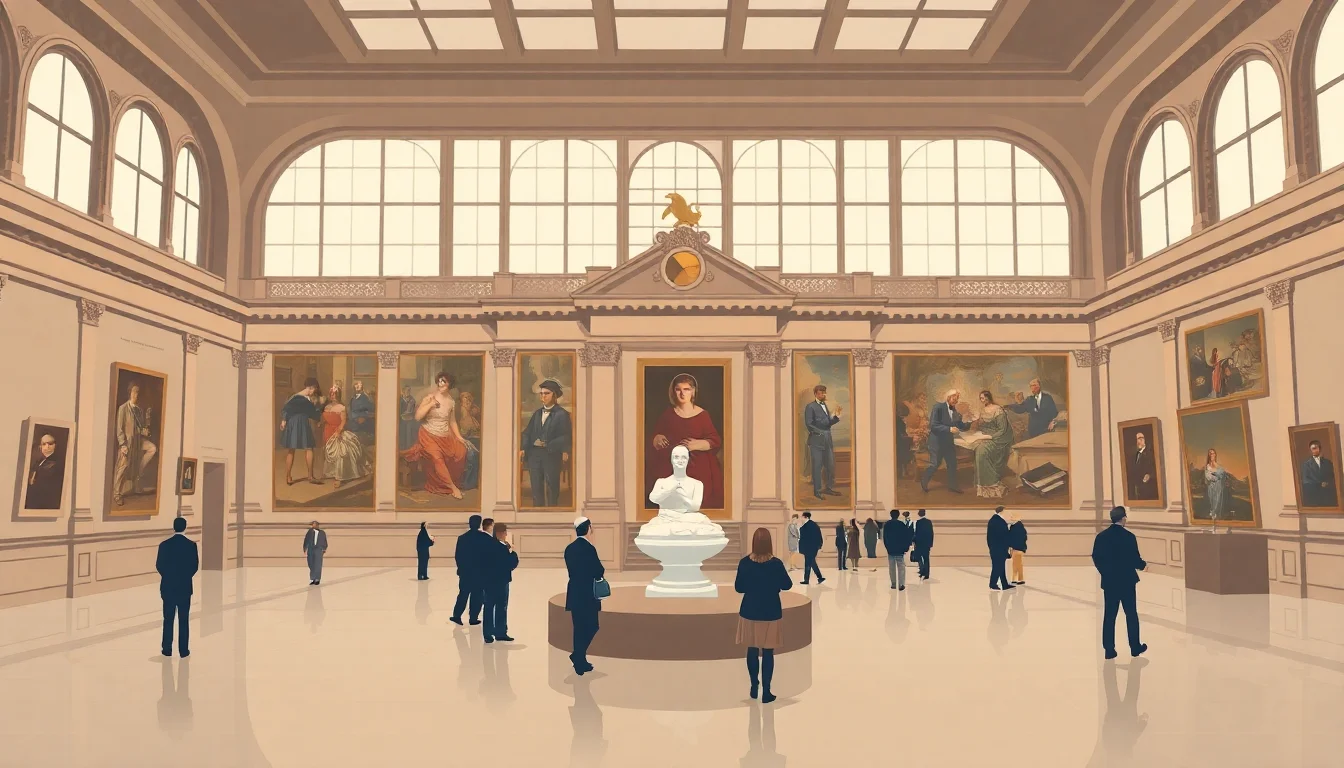
Before you even glimpse a painting, the building itself commands attention. Housed in the former Gare d'Orsay, a Beaux-Arts railway station built for the 1900 Exposition Universelle, the structure is a marvel of industrial-era engineering and design. The grand hall, with its soaring glass roof and iconic clock, was originally designed to accommodate steam trains. Preserving this architectural heritage while transforming it into a world-class museum was a significant undertaking, completed in 1986. The juxtaposition of industrial grandeur with delicate artworks creates a unique atmosphere, a testament to the building's adaptive reuse. This historical context adds a layer of appreciation to the artistic treasures within.
🖼️ The Collection: Impressionism's Crown Jewels and Beyond
The Musée d'Orsay is synonymous with the Impressionist and Post-Impressionist movements, boasting the largest collection of these masterpieces in the world. Here, you'll find iconic works by Claude Monet, Pierre-Auguste Renoir, Edgar Degas, and Vincent van Gogh that are simply unmissable. Beyond these titans, the collection spans from 1848 to 1914, encompassing Realism, Symbolism, and early Modernism. Explore the vibrant canvases of the Barbizon School, the bold strokes of the Nabis, and the early experiments of Fauvism. The museum also features significant holdings of sculpture, decorative arts, and photography from the period, offering a comprehensive view of artistic innovation.
💡 Vibe Score & Audience
The Musée d'Orsay typically scores a robust Vibe Score of 88/100, indicating high cultural energy and broad appeal. It's a must-visit for art lovers, history buffs, and anyone seeking to immerse themselves in the golden age of French art. The museum caters to a diverse audience, from seasoned art historians to first-time visitors to Paris. While it can get crowded, especially during peak season, the sheer quality and accessibility of its collection make it a rewarding experience for all. Its focus on a specific, highly popular period of art history gives it a distinct identity compared to encyclopedic museums like the Louvre Museum.
☕ Refuel & Recharge: On-Site Amenities
The museum offers several options for dining and refreshments. The main restaurant, located in the former station's grand hall, provides a stunning setting for a meal or coffee, overlooking the Seine. For a quicker bite, there are cafes scattered throughout the museum, offering sandwiches, pastries, and beverages. These are perfect for a brief respite between exploring different wings. Remember that outside food and drink are generally not permitted inside the exhibition spaces, so plan your breaks accordingly. The museum shop also offers a selection of books and souvenirs related to its collection.
🗺️ Planning Your Visit: Essential Tips for a Seamless Experience
To maximize your visit, arrive shortly after opening or a couple of hours before closing to avoid the largest crowds. Prioritize the galleries that interest you most, as seeing everything in one go can be overwhelming. The museum is organized chronologically and by movement, so a general understanding of art history can help you navigate. Wear comfortable shoes; you'll be doing a lot of walking. Consider downloading the museum's audio guide or app for in-depth commentary on key artworks. Allow at least 3-4 hours for a thorough visit, more if you plan to linger over specific pieces or enjoy the amenities.
🆚 Orsay vs. The Louvre: A Friendly Rivalry
The Musée d'Orsay and the Louvre Museum are often compared, but they serve distinct purposes. The Louvre, a sprawling palace, covers millennia of art history from ancient civilizations to the mid-19th century, making it an encyclopedic behemoth. The d'Orsay, by contrast, is a focused gem, dedicated to the art of the period 1848-1914, with a particular emphasis on Impressionism and Post-Impressionism. While the Louvre offers breadth and depth across vast historical periods, the d'Orsay provides an unparalleled concentration on a specific, highly influential era. Visiting both offers a comprehensive understanding of French art's evolution, from its classical roots to its modern blossoming.
🚀 What's Next for the Musée d'Orsay?
The Musée d'Orsay is continuously evolving, with ongoing efforts to enhance visitor experience and expand its collection's reach. Future plans often involve the renovation of specific galleries, the acquisition of new works, and the development of innovative digital resources. The museum is also a significant player in international art loans and collaborations, contributing to a global dialogue on art history. Keep an eye on their official website for announcements regarding new exhibitions, research initiatives, and potential changes to accessibility or ticketing. The museum's commitment to preserving its unique heritage while embracing contemporary engagement ensures its continued relevance.
Key Facts
- Year
- 1986
- Origin
- Paris, France
- Category
- Museums & Galleries
- Type
- Cultural Landmark
Frequently Asked Questions
What are the best times to visit the Musée d'Orsay to avoid crowds?
To minimize crowds, aim for weekday mornings shortly after opening or late afternoons, about two hours before closing. Avoid Tuesdays, as the museum is closed, and weekends are generally the busiest. Visiting during the shoulder seasons (spring and fall) rather than peak summer can also lead to a more relaxed experience. Pre-booking your timed-entry ticket online is essential regardless of when you visit.
Is the Musée d'Orsay suitable for children?
Yes, the Musée d'Orsay can be engaging for children, particularly those with an interest in art. The large, open spaces and the iconic clock can capture their imagination. While the collection is primarily focused on painting and sculpture, many works feature relatable subjects. Consider a family-friendly audio guide or create a scavenger hunt for specific artworks to make the visit more interactive. However, very young children might find extended gallery visits challenging.
How much time should I allocate for a visit?
A comprehensive visit to the Musée d'Orsay typically requires at least 3-4 hours. This allows time to see the major Impressionist and Post-Impressionist works, explore other collections like sculpture and decorative arts, and perhaps enjoy a coffee break. If you're a serious art enthusiast or wish to see a temporary exhibition, you might need 5-6 hours or even a full day. Rushing through will diminish the experience.
Can I take photos inside the Musée d'Orsay?
Photography is generally permitted for personal use in the permanent collections, but without flash. However, this policy can change, especially for temporary exhibitions. Always look for signage in each gallery. Tripods, selfie sticks, and large bags are usually prohibited. Respect the artwork and other visitors by being discreet with your photography.
What is the difference between the Musée d'Orsay and the Louvre?
The Louvre is a vast, encyclopedic museum covering art from antiquity to the mid-19th century, housing over 35,000 objects. The Musée d'Orsay focuses specifically on French art from 1848 to 1914, with an unparalleled collection of Impressionist and Post-Impressionist masterpieces. Think of the Louvre as a historical survey and the d'Orsay as a deep dive into a pivotal artistic era.
Are there lockers or coat check facilities available?
Yes, the Musée d'Orsay provides cloakroom facilities where you can check coats, umbrellas, and small bags. Lockers are also available for larger items. These services are typically free of charge but can fill up quickly, especially during busy periods. It's advisable to arrive early if you plan to use them.